Brits heading abroad are being warned they need to be wary of this deadly illness.
Travellers could catch potentially deadly malaria from just one mosquito bite – as health officials sound the alarm ahead of the summer travel season. The UK Health Security Agency (UKHSA) has issued a stark reminder that the disease remains a serious threat in many popular destinations across Africa, Asia and South America.
Officials urged holidaymakers to check risks before travelling and take simple precautions – warning the illness can strike even seasoned travellers who have visited affected countries before.
Malaria is spread by infected mosquitoes and can develop rapidly into a life-threatening condition if not treated quickly.
Global fight making progress – but cases still climbing
While there has been major progress in tackling the disease, the global picture remains worrying. According to the World Health Organization, an estimated 2.3 billion cases and 14 million deaths have been prevented since 2000.
A total of 47 countries are now certified malaria-free, with more nations edging closer to elimination.
But despite this progress, the disease is far from beaten. In 2024 alone there were around 282 million cases and 610,000 deaths worldwide – a slight rise on the previous year, signalling that progress may be stalling.
‘Do not take risks’ – key advice before you travel
Health chiefs are urging Brits to plan ahead – ideally four to six weeks before travel – and check country-specific guidance.
Simple precautions can dramatically cut the risk, including:
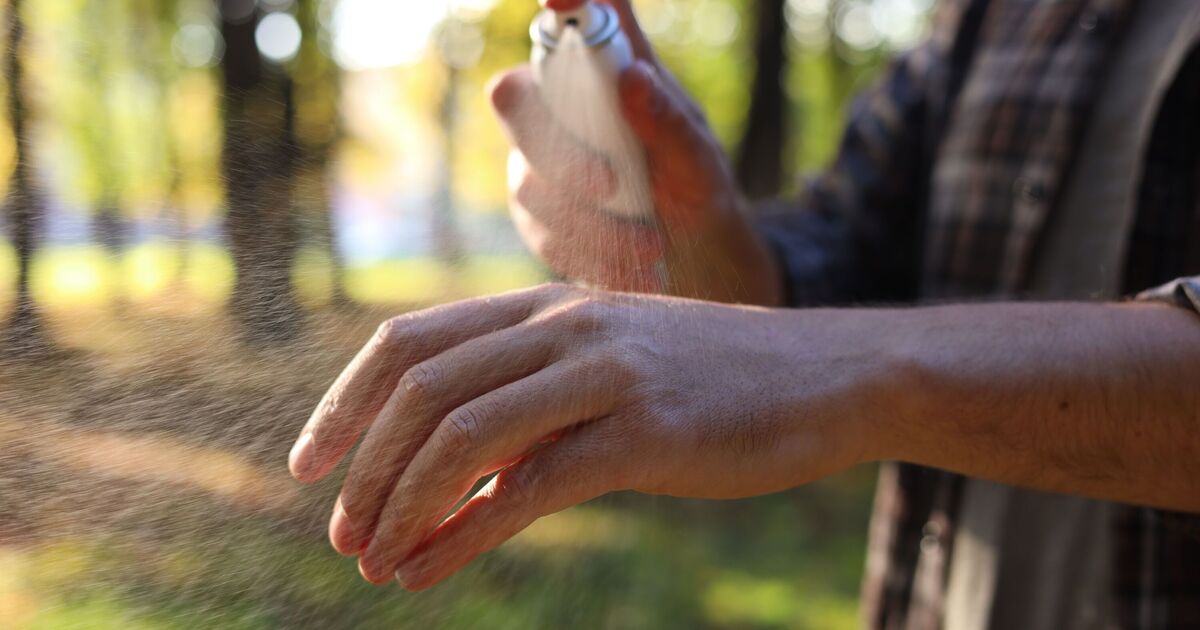
- Using insect repellent
- Covering exposed skin
- Sleeping under treated mosquito nets
- Taking prescribed anti-malaria tablets
Modern prevention drugs are more than 90% effective when taken correctly. Even so, officials stress there is no guaranteed immunity, even for those who have previously lived in or visited high-risk regions.
Fever after holiday? It could be malaria
Travellers are also being warned not to ignore symptoms after returning home. Malaria can initially feel like flu – with fever, chills and fatigue – but can quickly become severe.
Crucially, symptoms may appear weeks or even months after a trip, and in some cases up to a year later. Anyone who develops a fever after visiting a risk area is urged to seek urgent medical help and request a same-day malaria test.
Health professionals are also told to treat suspected malaria as a medical emergency, as some forms can become life-threatening within hours if left untreated.