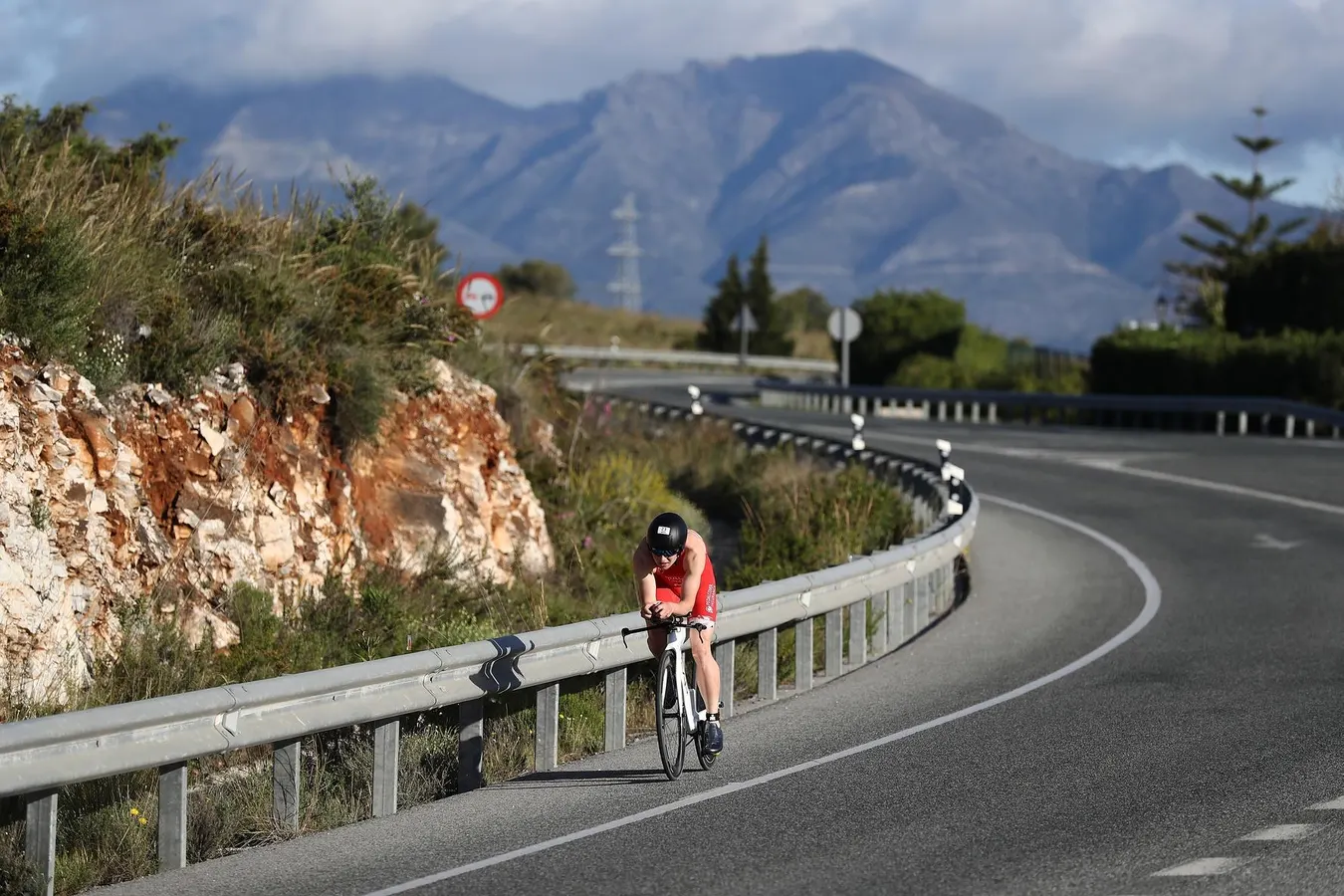
Elliot Smales of Great Britain competes in the cycle leg of IRONMAN 70.3 Marbella, Spain.
Getty Images for Ironman
According to recent research by Statista, sports tourism is reshaping how and why people travel. The sector was valued at just under $565 billion in 2023 and is projected to surpass $1.3 trillion by 2032. By 2025, it accounted for around 10% of global tourism spending. With these statistics in mind, it’s no surprise that Europe stages more than 30,000 international sporting events every year and channels billions into next-generation infrastructure, from Olympic-grade aquatic centres to panoramic cycling routes and urban swim zones. And sport is no longer confined to stadiums; it has evolved into a lifestyle, shaping how people travel, where they choose to live, and how they invest in healthier, more active lives. Going beyond trophies, European Best Destinations chose the top cities in Europe where you can watch sport, practice sport and live sport all year round.
Methodology
European Best Destinations worked with sports journalists and international correspondents to shortlist 39 cities with these criteria: infrastructure quality and accessibility; international event impact; year-round active lifestyle potential and commitment to inclusivity; women’s sport and youth development. These 39 destinations were submitted to public vote involving 17,823 sport-oriented travelers: competitors, cyclists, marathoners, golf travelers and active families who selected the 10 Best Sport Destinations in Europe 2026.
1. Marbella, Spain: Final Sport Excellence Score 19.6/20
Jelle Geens of Belgium and Kristian Blummenfelt of Norway compete during the run course of the IRONMAN 70.3 Men’s World Championship 2025 on November 09, 2025 in Marbella, Spain.
Getty Images for IRONMAN
The coastal city was chosen as number one not because of a single headline event but due to its combination of elite competition, world-class infrastructure and everyday accessibility. As Mayor Ángeles Muñoz explains: “in Marbella, sport is not merely an activity but an element of identity and international projection, closely linked to tourism and the destination’s culture of excellence.” Ironman 70.3 was held in Marbella in 2025 drawing a large crowd of participants and spectators to this tough event involving a Mediterranean swim, challenging cycling routes through the Andalusian hills and a coastal run over 70 miles. The city has more than 70 golf courses and has seen a rapid growth in cycling tourism, hosting professional training camps and attracting amateur riders, thanks to mild winter conditions and diverse topography. Tennis and padel, supported by accessible clubs are both incredibly popular too. Seafront running paths, outdoor gyms, beach volleyball courts and sailing facilities ensure that sport is part of daily life. And coming soon is a €114 million next-generation stadium. Designed as a multi-use complex, it will combine sport with hospitality, wellness, retail and leisure. Added to all this is the commitment of Mayor Ángeles Muñoz and Deputy Mayor for Sport Lisandro Vieytes to strengthen women’s sport, youth academies, grassroots clubs and inclusive sport initiatives. Ms Vieytes says that “Marbella’s commitment to sport is part of a strategic vision: attracting major events, strengthening the city’s brand and establishing Marbella as a reference destination for sport and tourism.”
2. Monaco: Final Sport Excellence Score: 18.7/20
Monaco – Rolex tennis Tournament
APTour
When you think of Monaco, the Grand Prix comes immediately to mind, as well as other prestige and elite sporting events. The annual Rolex Monte-Carlo Masters, founded in 1897, is one of the oldest tournaments in tennis history and it has a stunning view as well, perched above the Mediterranean with a beautiful backdrop. Although Monaco places less emphasis on grassroots participation compared with larger cities, its strengths lie in the prestige of its sporting events.
3. Oslo, Norway: Final Sport Excellence Score: 18.6 /20
Valerenga’s Norwegian forward #21 Karina Saevik (R) and Paris FC’s Franch defender #02 Celina Ould Hocine during the Women’s UEFA Champions League league in Oslo, Norway, on December 10, 2025.
NTB/AFP via Getty Images
In May 2026, Oslo will host the UEFA Women’s Champions League Final highlighting Norway’s enduring leadership in gender equality and the advancement of women’s sports. However, Oslo’s appeal extends well beyond a single event. The city is designed for outdoor accessibility, offering residents and visitors opportunities to kayak in the fjord, cross-country ski close to the metro, run along coastal paths and train in modern, sustainable sports facilities, seamlessly integrated into the urban environment.
4. Paris, France: Final Sport Excellence Score: 18.6/20
Diving competition in Paris, France
Shutterstock
Paris continues to build on its Olympic legacy by hosting the 2026 European Aquatics Championships this summer. With world-class aquatic centers, premier high diving venues and the return of open-water swimming in the Seine, the city is redefining its aquatic identity. Beyond major events, Paris has woven sport into everyday urban life through riverside cycling paths, extended running routes and upgraded public facilities
5.Nice, France: Final Sport Excellence Score: 18.5 /20
,Tadej Pogacar, Tour de France
Shutterstock
Hosting the final stage of the Tour de France this summer will reinforce Nice’s status as a center for cycling and athletic performance. Even if you don’t visit for this cycling race, there are plenty of other sports to see and do. The stunning Promenade des Anglais remains one of Europe’s most iconic running routes, stretching along the Mediterranean and attracting marathoners, triathletes and recreational runners throughout the year. Nearby Alpine climbs, such as Col d’Èze and Col de la Madone, are legendary among professional cyclists and training camps. The city also has a rich triathlon heritage, with a long-standing Ironman tradition and a deeply rooted open-water swimming culture. With public coastal paths, extensive cycling infrastructure and easy access to mountainous terrain, Nice offers a unique combination: sea-level speed and high-altitude challenges.
6. Budapest, Hungary: Final Sport Excellence Score: 18.3/20
World Aquatics Swimming Championships, Budapest, Hungary.
Getty Images
Budapest will host the 2026 UEFA Champions League Final on 30 May. The city’s modern stadium facilities and proven ability to manage large-scale events draw international football fans. Beyond football, Budapest has a rich aquatic heritage, having hosted world championships in swimming and water polo. Its ongoing investment in versatile sports complexes and urban arenas further strengthens its sports ecosystem. For visitors and locals, the Danube River and Margaret Island offer accessible outdoor running and cycling spaces.
7. Lisbon, Portugal: Final Sport Excellence Score: 18.3 / 20
Surfer near Lisbon, Portugal
Shutterstock
Lisbon has become a major surfing destination thanks to its Atlantic coastline and nearby beaches like Carcavelos and Ericeira, that host international surf competitions and draw professional and amateur athletes from around the world. The city’s mild climate encourages year-round outdoor activity. Coastal marathons, urban running routes and cycling paths along the Tagus River make sport easily accessible for visitors.
8. Geneva, Switzerland: Final Sport Excellence Score: 18.2/20
Sailing Competition on Lake Geneva
Shutterstock
Lake Geneva offers perfect conditions for international regattas and elite sailing events, while the nearby Alpine landscape supports a variety of sports, including cycling, hiking and winter activities. The city regularly hosts other elite events like tennis at the Geneva Open. With major governing bodies like UEFA based in the city and the International Olympic Committee nearby in Lausanne, it sits at the heart of international sport.
9. Reykjavik, Iceland; Final Sport Excellence Score: 18.2/20
Warm geothermal lagoon waters near Reykjavik, Iceland.
getty
Reykjavik’s distinctive geothermal sea swimming culture and year-round public pools is a magnet for tourists. The striking contrast between cold ocean waters and naturally heated geothermal facilities is a major draw for travelers seeking wellness destinations. Sport in Reykjavik is elemental: swimming, running, hiking and cycling take place amidst dramatic volcanic landscapes.
10. Hvar, Croatia: Final Sport Excellence Score: 18.0/20
100M & Sprint World Championships will be in Hvar this year
Getty Images
Hvar secured its spot in the Top 10 as host of the 100M & Sprint World Championships from 9-11 October 2026, including the Sprint 5K and the high-intensity 100M format, elevating the Adriatic island to a global stage for obstacle racing and endurance sports. The island’s rugged terrain, coastal cliffs and historic surroundings offer a striking backdrop. Its geography and climate support trail running, open-water swimming and outdoor fitness tourism.