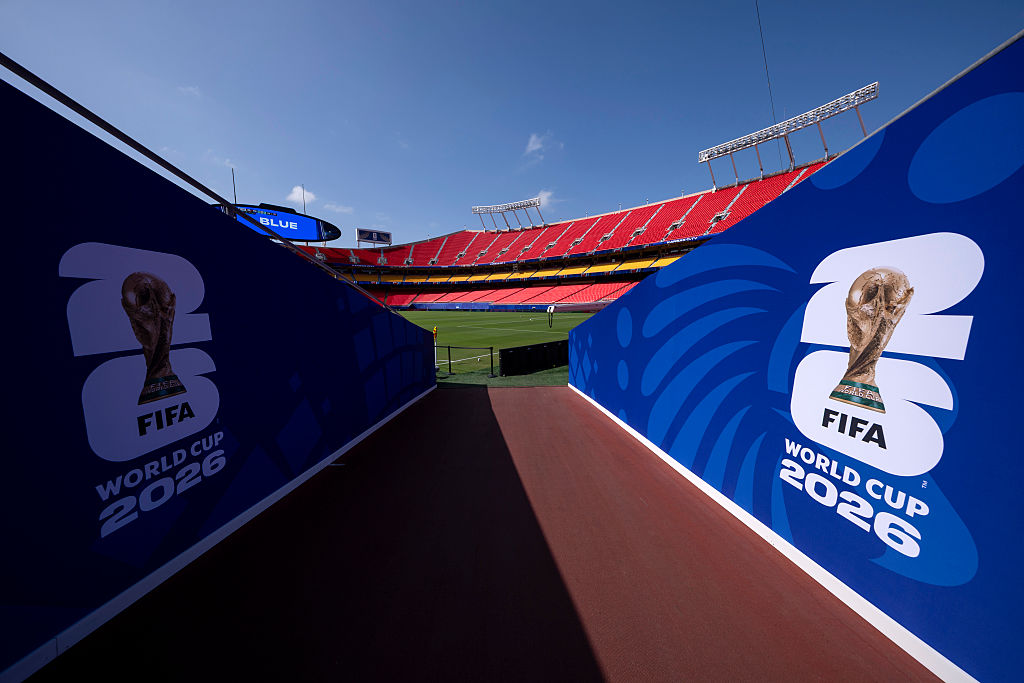
The largest FIFA World Cup ever officially kicks off across North America on Thursday, bringing millions of expected visitors to the United States, Canada and Mexico. But the anticipated tourism windfall has yet to materialize evenly across some host cities, with travel, hospitality and restaurant operators reporting sharply different demand patterns.
The month-long tournament features 48 teams, 104 matches and games spread across 16 cities in three countries, making it the biggest World Cup in the event’s history. Businesses ranging from hotels and restaurants to airlines and ride-sharing companies have spent years preparing for an influx of soccer fans, expecting increased spending tied to travel, accommodations and entertainment.
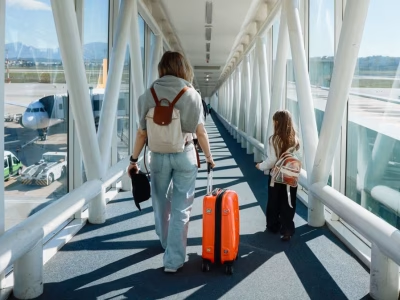
Early booking data, however, suggests the benefits are being distributed unevenly. Travel intelligence firm Sojern found that while several U.S. host cities are recording year-over-year gains in flight bookings during the tournament period, while others are lagging behind, according to CNBC.
Houston and Dallas are among the strongest-performing destinations, while Miami and New York are also reporting increases in flight demand. Sojern data cited by the outlet showed flight bookings are up nearly 13% in Houston, about 10% in Dallas-Fort Worth and roughly 8% in both Miami and New York compared with the same period last year.
In contrast, Seattle’s flight bookings are running nearly 21% below year-ago levels, while all three Mexican host cities are also trailing last year’s pace.
The uneven performance highlights the challenges associated with a tournament spread across vast geographic distances. Fans are weighing travel costs, ticket prices, accommodations and transportation options before deciding which matches to attend.
Global travel costs remain elevated following years of inflationary pressures and higher transportation expenses, with ongoing wars in Ukraine and Iran contributing to increased fuel and operating costs for airlines and travel providers.
Despite the mixed start, FIFA has projected the tournament could contribute as much as $17.2 billion to U.S. gross domestic product.
However, economists at Deutsche Bank said the overall impact on the broader U.S. economy is likely to remain modest given the country’s economic size. Even if approximately 1.2 million international visitors travel to North America during the event, the resulting GDP boost would amount to roughly 0.05% if FIFA’s estimates are achieved.
Hotels remain one of the sectors most closely watched during the tournament.
Marriott International CEO Tony Capuano told CNBC the company continues to see strong booking trends both in host cities and other U.S. destinations. Marriott expects the World Cup to increase U.S. revenue per available room by approximately 40 basis points.
Capuano said booking patterns are largely tracking expectations, although demand later in the tournament could vary depending on which national teams advance.
Short-term rental operator Airbnb has expressed similar optimism. The company expects the tournament to become its largest sporting event on record, surpassing the 2024 Paris Olympics, according to CNBC. Airbnb anticipates benefiting from families and groups seeking larger accommodations and longer stays.
Travelers attending World Cup matches are also staying longer than many traditional tourists. Sojern data cited by CNBC found that more than three-quarters of visitors plan to spend between six and 12 nights at their destinations.
The restaurant industry is also preparing for increased traffic. Deutsche Bank analysts said restaurants near stadiums, sports bars and food delivery-focused chains could benefit from both in-person tourism and watch parties held throughout the tournament. Pizza, wings and casual dining concepts are expected to see heightened activity during match days, according to the bank’s research.
Still, some operators are taking a cautious approach.
Derek Evans, CEO of the Marcus Samuelsson Group, told CNBC that the full impact on restaurants may not become apparent immediately.
“You haven’t seen fandom really kick in yet,” Evans said. “When your country’s team starts winning that’s when travel budgets go out the window.”
Industry data suggests that last-minute bookings remain common. Approximately 35% of hotel reservations in World Cup host cities historically occur within seven days of travel, according to Sojern figures.
FIFA President Gianni Infantino dismissed concerns about travel demand, noting that the organization has received record ticket requests for the tournament.