Editor’s note: Follow Mexico vs. South Africa live updates and highlights from the 2026 World Cup opener.
Monterrey is the Sultana del Norte, the jewel of northern Mexico thanks to the lovely ring of mountains and hills that surround it, the industrial roots and geographic closeness to the U.S. that make it Mexico’s business powerhouse, and a culture where almost everyone loves soccer.
Regios are ready to put aside their affiliations to Monterrey or Tigres in order to welcome the world to their soccer-loving city.
Here is our guide to Monterrey:
What games are in Monterrey?
Monterrey is hosting four matches, including a round of 32 match – though El Tri won’t be making the trip north to play at the Estadio BBVA.
-
June 14: Sweden vs. Tunisia
-
June 20: Tunisia vs. Japan
-
June 24: South Africa vs. South Korea
Where are the games in Monterrey being played?
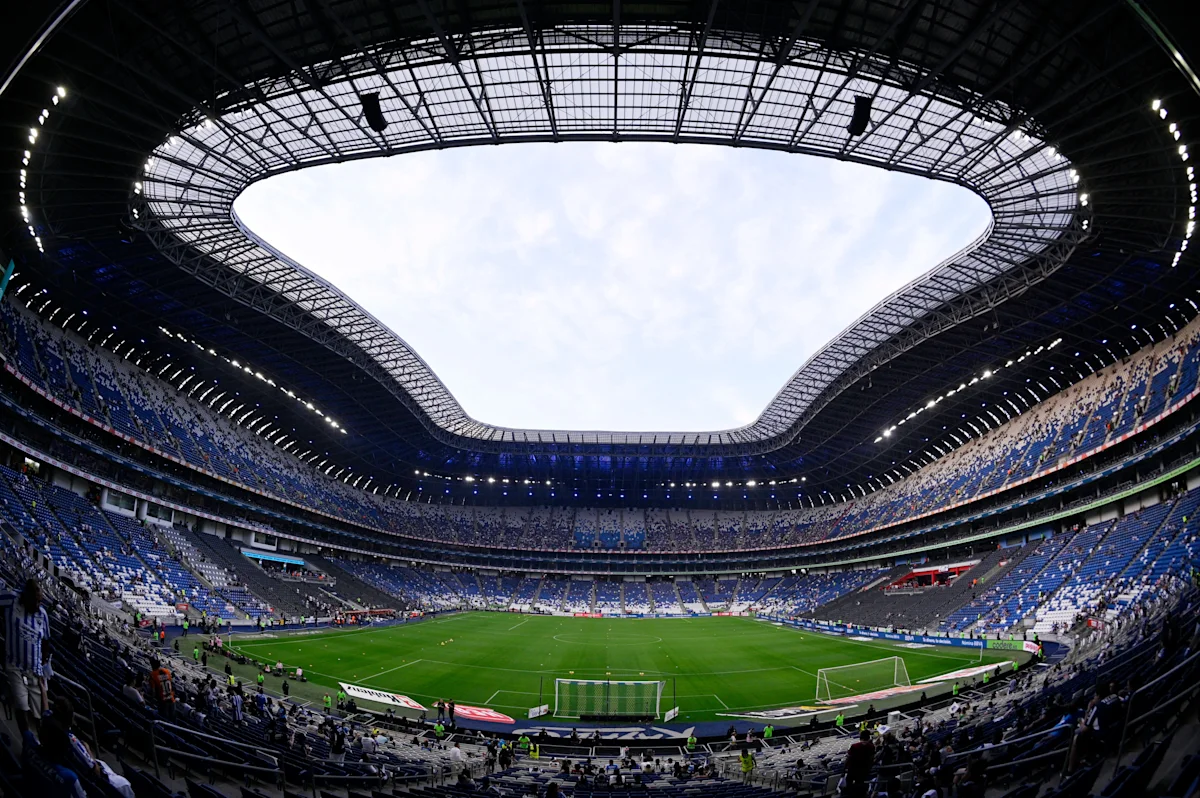
Typically known as the Estadio BBVA, the most modern stadium in Mexico is home to CF Monterrey, labled Rayados locally because of their striped jerseys. The stadium regularly goes viral for its stunning views of the Cerro de la Silla, the most distinctive mountain that surrounds the city.
The stadium, which will seat 53,500 for World Cup matches, actually is located in a Monterrey suburb named Guadeloupe. When it opened in 2015, it replaced a stadium on the campus of Monterrey’s “Tec,” a large university.
How to get around in Monterrey
Monterrey worked to expand its metro to the far-flung airport, but the line won’t be ready in time for World Cup visitors. However, the metro is an easy way to get around once in the city. There isn’t a stop directly in front of the stadium, but the Exposicion station on Linea 1 is just a 15-minute walk with a clear, well-lit path to the venue.
Outside of the Barrio Antiguo, Monterrey is a city in which most residents get around with a car, something reflected in both its suburban enclaves and its traffic.
Where to stay in Monterrey
It all depends on the experience you’re looking for. The Monterrey region has one of the toniest areas in the country, with the suburb of San Pedro Garza Garcia (SPGG) full of shopping malls with luxury stores, dealerships selling sports cars, and extravagant restaurants and nightclubs.
The center or the Barrio Antiguo also has a number of hotels, though most don’t match the amenities of their rivals in SPGG.
While there are few hotels, the area near El Obispado presents a good middle ground, making it possible to get to the stadium, to SPGG and to the Barrio Antiguo with a quick Uber ride.
Where to eat in Monterrey
Monterrey has a culture of carne asada, with butchers a big business in the city for “Regios” to select their own meat that they’ll grill back at home. Befriend a few locals, and you may be able to secure an invite. The other famous dish is cabrito, roasted goat. El Gran Pastoris a traditional option.
Tacosdel Muerto – Breakfast and lunch option that earned its nickname because of its location next to the city’s most notable cemetery. Before or after, you can visit Continuum Café, one of the top coffee shops in the city and one that looms over the cemetery.
Tacos Primo – Sleep in or miss the carne asada invite? Some of the best steak tacos in the city are at Tacos Primo, though don’t sleep on the bacon option.
Cara de Vaca – If you’re in the market for a bigger steak, Cara de Vaca may be the ticket. Make sure you head for the temporary location, where chef Chuy Villarreal of Instagram-famous Taqueria Orinoco fame, insisted on pressing on with his more formal steakhouse even after a fire forced him out of the previous location.
Jardin Sucré– A French bakery with brunch options frequented by the city’s most famous Frenchman, Andre-Pierre Gignac.
Cafe Iguana – An historic venue for live music that sells beer in liter bottles and has a pizza by the slice counter attached. It ain’t fancy, but it is fun.
What else to do in Monterrey
One of the most enjoyable areas in Monterrey, for tourists or locals, is the massive Parque Fundidora, which converted the city’s defunct iron and steel foundry into a large urban park. In addition to open space and a riverwalk, you’ll find the Mexican Baseball Hall of Fame, a wax museum, an amusement park for children, and venues that host concerts and other events.
The Museo De Arte Contemporáneo De Monterrey (MARCO) is one of the best modern art museums in Latin America and, sitting at the base of the Marcroplaza, is also a good starting point to wander through the monuments, water features and historic buildings on the city’s historic main drag.
Before the popularity of soccer in the city surged, Monterrey was a baseball town. The Sultanes still enjoy fervent support at their stadium near Tigres’ Estadio Universitario and are in town for the first two weeks of June.
If you have time to range further afield, the Grutas de García caves and Cumbres de Monterrey, a national park that includes the Cerro de la Silla and several waterfalls, are accessible by car or booking tours.
This article originally appeared on USA TODAY: Travel guide to World Cup 2026 host city Monterrey