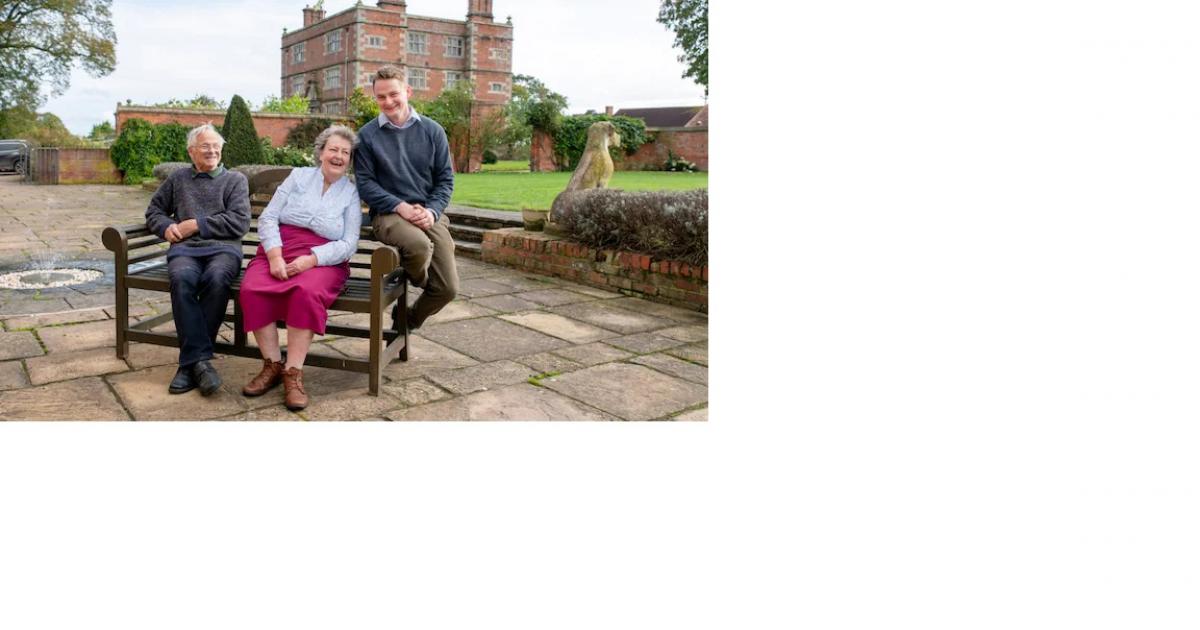
Soulton Hall is hosting tours that will reveal the intriguing history of the building, which was constructed by Sir Rowland Hill.
Sir Rowland was a significant figure in the Reformation and served on the Privy Councils of Henry VIII, Edward VI, Mary I, and Elizabeth I.
He used Soulton Hall as a covert base for the daring publication of the Geneva Bible, considered heretical by some.
This revolutionary translation is one of the most important texts ever printed.
The hall also served as a refuge during times of persecution, providing sanctuary and preserving scholarly materials for future generations.
Interestingly, Sir Rowland’s influence also extended to the arts, inspiring his cousin via Mary Arden, William Shakespeare.
The setting and clandestine operations at Soulton are believed to have inspired Shakespeare’s play As You Like It.
The hall was the ancestral home of the Lodge family before 1556, linking it to Thomas Lodge’s Rosalynde (1590) and ‘Old’ Sir Rowland.
The tours at Soulton Hall allow a glimpse into the Tudor period and the Elizabethan Golden Age, a time marked by danger, creativity, and intellectual awakening.
Among the highlights of the tour are the concealed chapel and priest’s hide, Renaissance codes and chess court, Wren Steps and the As You Like It dancing pavement, and Rowland Hill Furniture.
However, due to the historic structure of the building, there are some access challenges.
The main floor can be reached via seven shallow steps in the gravelled chess court, with three of the tour rooms located on this floor.
The basement is accessible by 13 stairs, and the first gallery by 19 stairs.
Step-free access is available to outdoor spaces, an accessible toilet, and a meeting/entertaining room (Moot Hall) in Soulton Court, which is accessed by 16 stairs.
Unravel the Secrets of Soulton Hall: A Journey Through Tudor Intrigue is available on multiple dates and times including Sunday, September 7.
The tours are priced at £25, which includes tea and cake.
For more dates and to book, see the HHA Heritage Access Tours website.