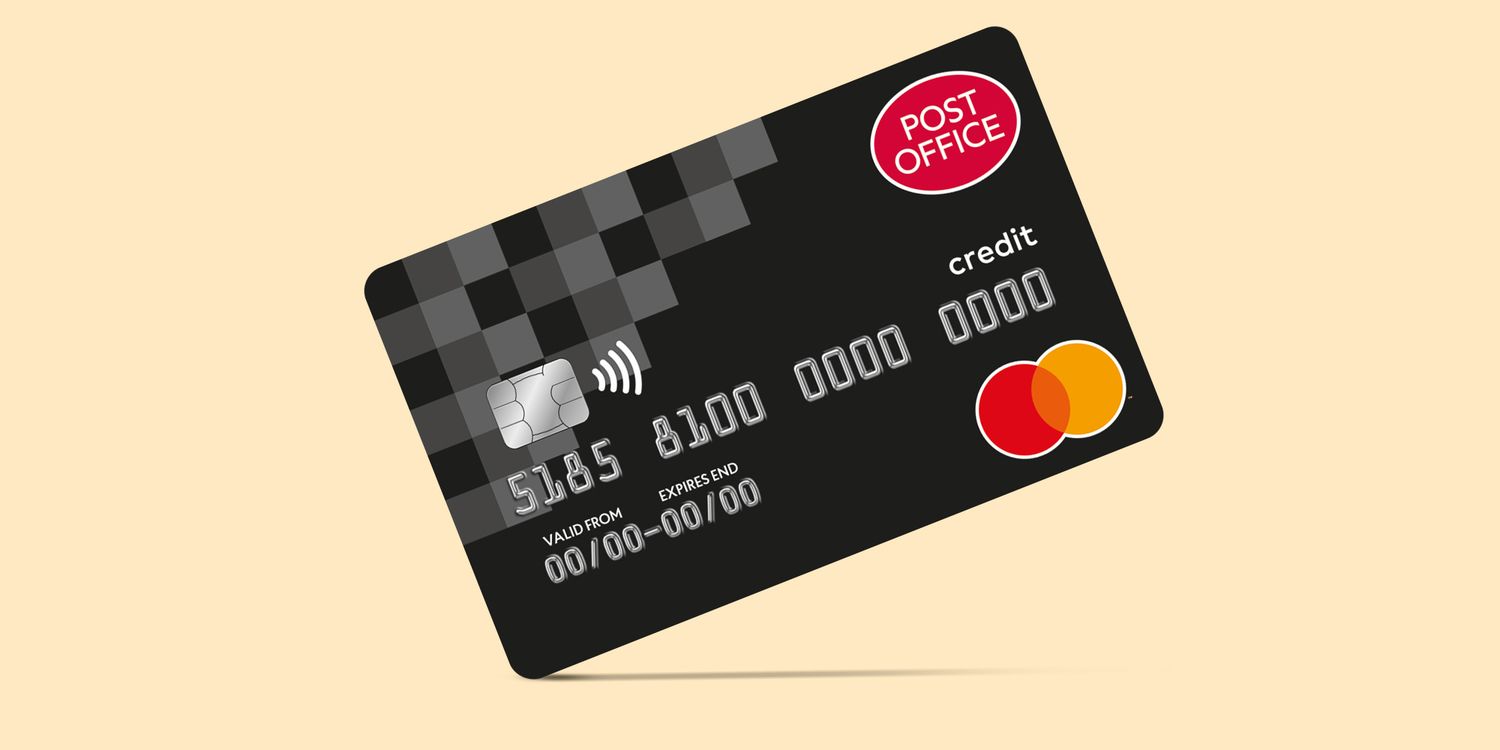
The Post Office has launched a new travel credit card with fee-free spending abroad and six months interest-free on purchases.
While the card could help holidaymakers avoid the typical 2.99% foreign transaction fees charged by many banks, there are still some costs to watch out for – particularly if you plan to withdraw cash overseas.
Here, Which? takes a closer look at the fees, features and how the new card stacks up against the best alternatives.
Please note that this article is for information purposes only and doesn’t constitute advice. Please refer to the particular T&Cs of a credit card provider before committing to any financial products.
What does the Post Office travel credit card offer?
When you’re abroad and make purchases or withdraw cash in another currency, banks often charge fees to convert your spending back into pounds.
Most debit and credit cards charge a non-sterling transaction fee of around 2.99% every time you spend overseas. That may not sound like much, but repeated charges on hotel bills, meals out and holiday spending can quickly add up over the course of a trip.
Specialist travel credit cards don’t come with these fees, making it much cheaper to spend abroad.
The main features of the Post Office’s new card are:
- 0% foreign transaction fees on purchases abroad
- no foreign transaction fees on online or phone purchases made in foreign currencies from the UK
- 0% interest on purchases for six months, allowing you to spread large expenses without paying interest during the offer period
- no annual fees
- no cash advance fees when you buy foreign currency through the Post Office.
Purchases made in foreign currencies are converted using the Mastercard exchange rate.
The card has a representative APR of 34.9% (variable), based on a £1,200 credit limit.
You’ll also be able to lock and unlock the card via the Post Office app, and you can get help online or over the phone.
- Find out more: best credit card deals.
What’s in the small print?
The card has been launched in partnership with Capital One, and in order to apply you need to be at least 18 years old and live in the UK. You can use it anywhere that accepts Mastercard.
While the card doesn’t charge foreign transaction fees on overseas spending, cash withdrawals are treated differently.
If you withdraw cash abroad, you’ll be charged a fee of £3 or 3% of the withdrawal amount – whichever is higher. Once the withdrawal appears on your account, interest will also be charged at the card’s cash rate.
Cash advance fees can also apply when buying foreign currency outside the Post Office or using gambling websites.
The exception is Post Office Travel Money bought online or in branch using the card, where no cash advance fee applies.
- Find out more: best credit card providers 2026.
How does the Post Office travel credit card compare?
If you’re looking for a card to use abroad, there are other travel credit cards that also don’t charge foreign transaction fees and come with added perks:
The Barclaycard Rewards Visa, Halifax Clarity and Lloyds Ultra cards have all been named Which? Best Buys because they combine fee-free overseas spending and cash withdrawals with competitive rates. Barclaycard and Lloyds have also been named Which? Recommended Providers for 2026.
Unlike the Post Office card, these cards also don’t charge cash withdrawal fees abroad, which could make a difference if you regularly rely on ATMs while travelling.
The Lloyds Ultra card also offers 1% cashback on spending for the first year, adding another perk for frequent travellers.
Digital banks are also increasingly competing with traditional travel credit cards. Chase, for example, launched its first credit card last year, combining fee-free spending abroad with 15 months of interest-free spending.
- Find out more: best travel credit cards.
Is the Post Office a good provider?
The Post Office has over 11,500 branches across the UK, making it the nation’s largest retail network.
The organisation also has a partnership with 30 of the UK’s banks and building societies, which allows customers of those outlets to access the following services at any Post Office branch:
- withdraw and deposit cash
- pay in cheques
- check balances.
The Post Office was included in our review of the best credit card providers, but did not receive enough responses in our latest survey to generate a provider customer score.
What are the other ways to spend abroad?
A travel credit card isn’t the only way to cut costs overseas, and depending on how you spend, another option may suit you better.
Travel debit card
Travel debit cards can be a cheaper option if you want to avoid borrowing altogether.
Some banks, including Chase, First Direct, Monzo and Starling offer debit cards with fee-free overseas spending, allowing you to use your own money rather than building up debt on a credit card.
- Find out more: best debit card to use abroad.
Prepaid card
Prepaid travel cards let you load money in advance and spend in different currencies using a card.
For example, the Post Office’s own Travel Money Card supports up to 22 currencies and can be managed through an app.
These cards can help you stick to a holiday budget, although exchange rates and fees vary between providers.
- Find out more: best prepaid cards 2026.
Cash
Cash can still be useful for tips, taxis or smaller purchases, particularly in destinations where cards aren’t widely accepted.
But exchanging money at airports can mean poorer exchange rates, and carrying large amounts of cash can be risky if it’s lost or stolen.
- Find out more: best ways to spend abroad.
4 things to know when getting a travel credit card
- Use an eligibility checker first: Soft-search tools let you check your chances of approval without affecting your credit score.
- Credit cards offer extra purchase protection: Section 75 protection means your card provider can be jointly liable for purchases between £100 and £30,000 if something goes wrong. This can be particularly useful for flights, hotels and car hire bookings and also applies when you’re abroad.
- Travel credit cards are regulated: Credit cards are regulated by the Financial Conduct Authority (FCA), and you can complain to the Financial Ombudsman Service if something goes wrong.
- Always pay in the local currency: If you’re asked whether to pay in pounds or the local currency, choosing the local currency is usually cheaper.