
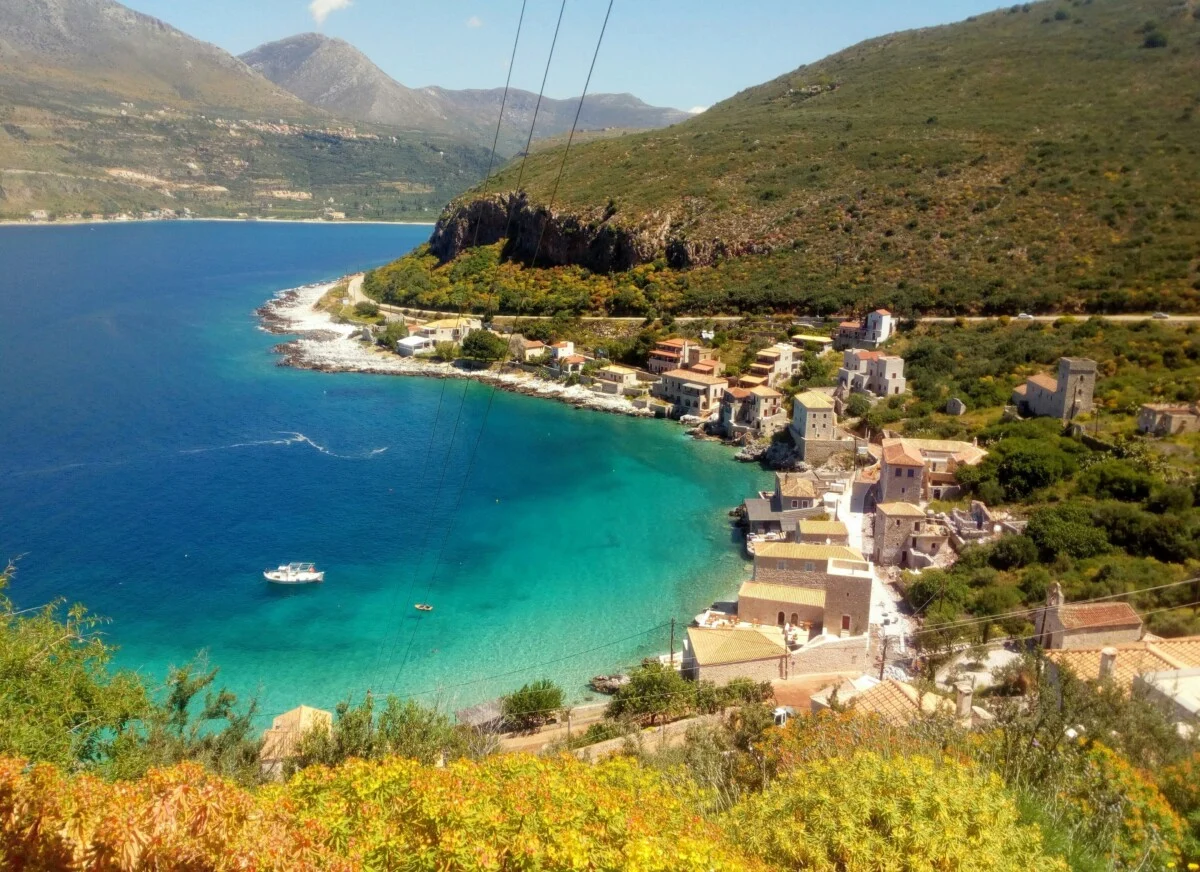
The Peloponnese has been recognised by Condé Nast Traveller as one of the world’s most compelling destinations for 2026, earning a place on the prestigious travel magazine’s annual Best Places to Go list. It is a significant nod to a region that continues to captivate visitors with its cinematic landscapes, deep cultural heritage and growing reputation for sustainable, experience-driven travel.
Condé Nast Traveller’s editors described the Peloponnese as a destination of “movie set locations, Homeric history, and hiking trails”, praising its ability to combine ancient myth with modern adventure. Their selection aims to guide travellers planning meaningful journeys in the year ahead, spotlighting places that offer authenticity, beauty and a sense of discovery. The Peloponnese sits comfortably among them, balancing world-famous landmarks with hidden corners that still feel untouched.


Part of the region’s rising profile is its starring role in the upcoming film The Odyssey, inspired by Homer’s epic. The production’s decision to use the Peloponnese as its backdrop underscores how inseparable the landscape is from the mythology that shaped it. Much of Homer’s world emerged from the Mycenaean civilisation, which flourished here during the Bronze Age and left behind palaces, fortifications and archaeological treasures that remain remarkably intact.
Tourism officials see this latest international recognition as a validation of long-term planning. Peloponnese Deputy Governor for Tourism Thanos Michelongonas noted that the acknowledgment reflects the region’s commitment to high-quality, thematic and sustainable tourism development. The Peloponnese has increasingly positioned itself as a destination that respects its environment, supports local communities and offers visitors a variety of experiences beyond traditional sun-and-sea holidays.
That diversity is central to its appeal. Travellers can trace the arc of Greek mythology across the region, from the storied ruins of Nestor’s Palace to the fortified beauty of Methoni Castle. Nature lovers can discover the calm horseshoe curve of Voidokilia Beach, wander through the bird-filled wetlands of Gialova Lagoon or explore the lush forests and stone villages of Arcadia. The Byzantine city of Mystras, a UNESCO World Heritage site, stands as a reminder of the Peloponnese’s layered history, rising in tiers along the slopes above modern Sparta.
In 2026, the Peloponnese will become even more accessible to outdoor enthusiasts with the continued development of the 1,075-mile Peloponnese Trails network. This ambitious project links restored mule paths across mountains, gorges and coastal villages, inviting visitors to experience the region slowly and intimately. Along the way, hikers can sample Messinia’s renowned olive oil, meet local producers and explore UNESCO-listed landmarks that enrich the journey.
To further elevate its presence on the international stage, the Region of Peloponnese has introduced a new place brand under the motto “Here, the Impossible is Only the Beginning”. The initiative reflects the region’s commitment to blending heritage and innovation, presenting the Peloponnese as a destination where ancient stories continue to shape modern experiences.
With global attention now firmly pointed toward the peninsula, 2026 is poised to be a landmark year. The Peloponnese’s mix of dramatic natural beauty, mythological resonance and sustainable tourism initiatives has earned it a place among the world’s best destinations and reminded travellers that Greece’s mainland holds wonders that rival its islands.
Read also A Modern Guide to Choosing the Healthiest Greek Yoghurt