
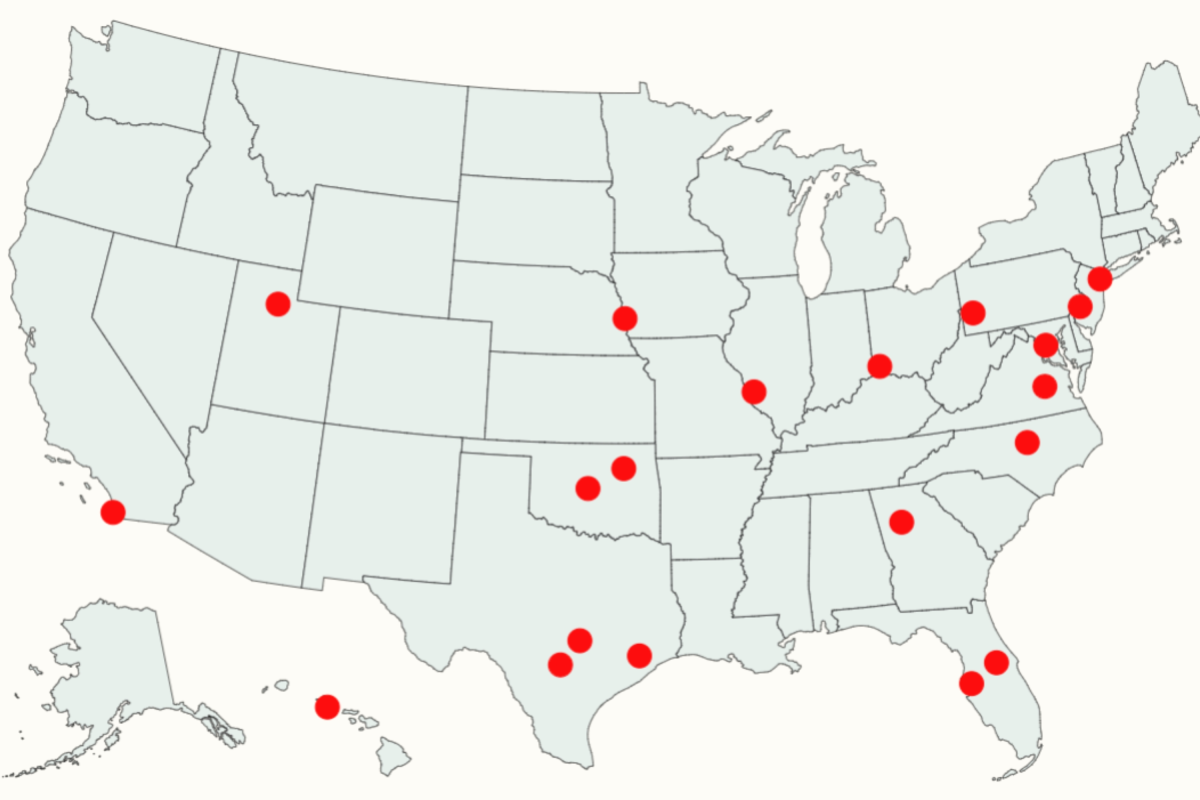
A recent report by personal finance website WalletHub has ranked the best summer travel destinations across the U.S. in 2026.
International travel can be costly, time‑consuming, and complex, leading some travelers to prefer to stay a little closer to home. WalletHub’s national rankings could offer guidance for those planning trips within the U.S.
“When picking a summer travel destination, it’s easy to focus just on the types of activities you want to do or certain cities you’ve always wanted to see,” said WalletHub analyst Chip Lupo. “However, choosing a destination that’s not only entertaining but also affordable is important when travel, dining and activity costs have surged so much in recent years. It can also allow you to have a longer, more relaxing trip.”
What To Know
WalletHub said Atlanta ranked first, citing relatively low-cost direct flights from major cities and a broad mix of attractions, from spas and shopping to pools and dessert spots, along with a late last-call time compared to other metros.
Orlando placed second, with WalletHub pointing to its major theme parks, availability of nonstop flights, and comparatively low hotel prices. The ranking also highlighted the area’s wide range of attractions, including water parks, dining options and retail outlets.
Austin came in third, with WalletHub noting accessible flight options and strong value when it comes to highly rated, affordable restaurants. The report also emphasized Austin’s blend of cultural and outdoor offerings, such as museums, live music, festivals and trails, alongside a lower cost of living than many large cities.
The top 20, according to WalletHub, were:
- Atlanta, Georgia
- Orlando, Florida
- Austin, Texas
- Washington, D.C.
- Honolulu, Hawaii
- Tampa, Florida
- Philadelphia, Pennsylvania
- Salt Lake City, Utah
- Cincinnati, Ohio
- Richmond, Virginia
- San Antonio, Texas
- St. Louis, Missouri
- Oklahoma City, Oklahoma
- Pittsburgh, Pennsylvania
- Tulsa, Oklahoma
- New York, New York
- Omaha, Nebraska
- Raleigh, North Carolina
- San Diego, California
- Houston, Texas
How It Was Calculated
WalletHub said it assessed the best summer destinations by comparing 100 of the largest U.S. metropolitan areas—defined by the Census Bureau—across six categories: travel costs and hassles, local costs, attractions, weather, activities and safety.
The analysis incorporated 41 indicators, each weighted and scored on a 100-point scale, where higher scores reflected more favorable travel conditions. Some metrics were adjusted to account for population size.
For airfare, the study used data collected on March 5, based on a sample trip departing July 9 and returning July 19—timed to reflect peak summer travel and a typical 10-day vacation.
Each metro area’s final score was calculated as a weighted average across all metrics, which was then used to produce the overall rankings.
Data was collected as of April 14 from sources including the U.S. Census Bureau, Council for Community and Economic Research, Federal Bureau of Investigation, Bureau of Transportation Statistics, Numbeo, Kayak, and TripAdvisor, WalletHub said.