Cannabis farm tours could be Canada’s unique twist on popular wine tours with the potential to be a huge tourist attraction, industry experts say. But regulatory hurdles still need to be overcome for the budding industry to fully bloom.
The most crucial one? While wine tours allow visitors to imbibe, tourers of cannabis farms cannot consume the product at any point.
One expert in northwest Ontario who spoke to Yahoo Canada says cannabis farm tours have the potential to become huge tourist attractions for Canada, one of the first countries in the world to legalize cannabis. But this major limitation — consumption-free tours — is due to strict provincial regulations around consumption spaces.
This poses a major hurdle to making cannabis farm tours as popular as wine tours, where tasting the final product can be most of the fun.
Cannabis farm tourists can learn thanks to ‘behind-the-scenes insights’
Reverend Kelly, the director of events for the Canadian Cannabis Tourism Alliance and a cannabis entrepreneur, told Yahoo Canada that cannabis farm tours can give the consumer a much more intimate knowledge of the plant that can be rewarding in its own right while combatting the still lingering stigma of cannabis.
“(A farm tour) is just such a beautiful model because it gives the customer or patient a way to be able to see how their medicine is grown,” she said. “We’re honouring where the plant comes from, where the plant is grown, what soil is being used, what minerals, what water is being used, who is cultivating it… It’s just so beautiful to be able to understand that.”
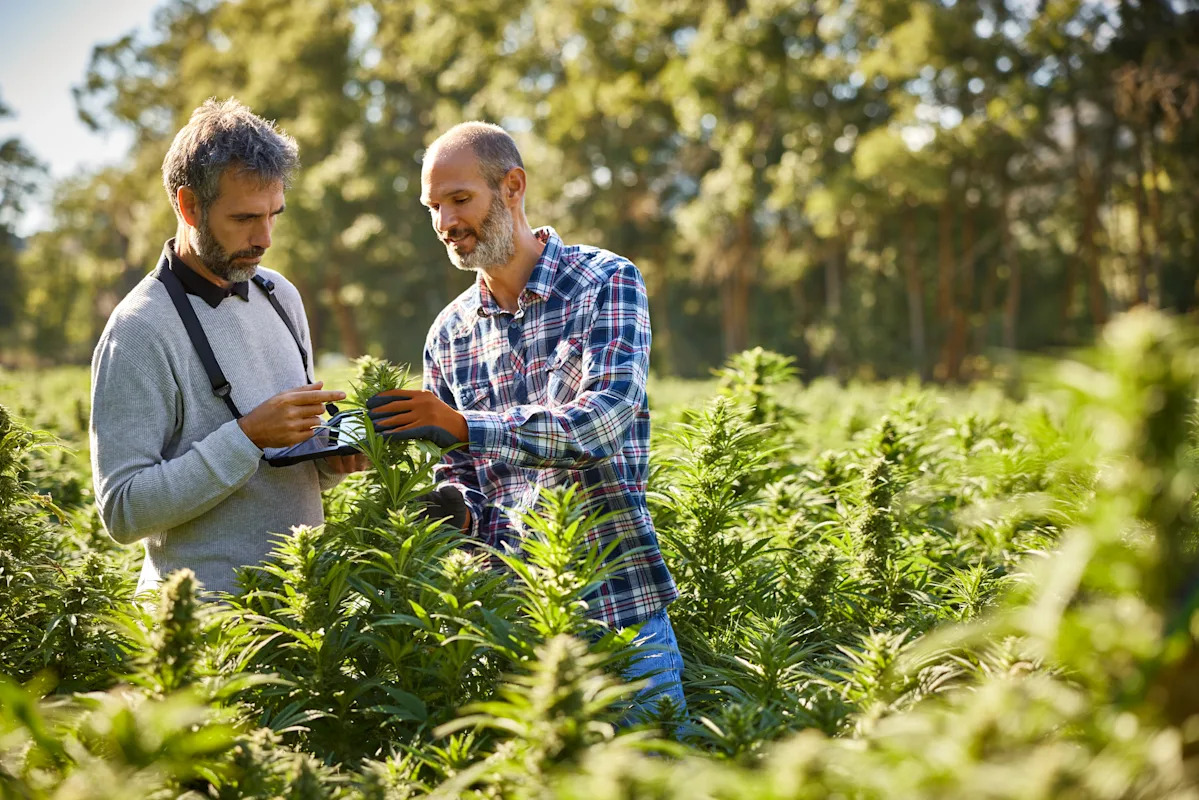
Currently, farm tours are closely tied to what are called “farmgate” sales of cannabis, when the farm is specifically licensed to sell cannabis at its location. Only Ontario, British Columbia, New Brunswick and Alberta allow farmgate sales, so farm tours are mostly prevalent in those provinces. Tours on offer include Sugar Cane Cannabis at the Williams Lake First Nation in B.C., which was the first Indigenous cannabis farm tour in Canada, according to Kelly. In New Brunswick, industry website StratCann offers a tour of an indoor cannabis facility, an outdoor cannabis farm and a cannabis nursery to “gain behind-the-scenes insights into cannabis production and processing.”
Kelly notes that indoor and outdoor tours offer different experiences. Indoors, visitors have to be suited up. Outdoors, tourers need to keep a safe distance from plants.
Could cannabis farm tours be the new wine tastings?
‘If you have a consumption space for alcohol, why not cannabis?’
Ivan Ross Vrána, a managing partner with Diplomat Consulting, told Yahoo Canada that the strict rules on cannabis consumption have to do with the fact that it is combustible.
“If you have a consumption space for alcohol, why not cannabis?” Vrána asks.
While vaping cannabis may drastically reduce the amount of smelly smoke produced, cannabis consumption laws are still very much tied to current tobacco and vaping laws, which have banned consumption in businesses, according to Vrána.
Diplomat Consulting is working to ease regulations concerning non-smoking consumption of cannabis, likes with drinks and edibles, but such spaces are still not allowed in all provinces.
People who can’t see these things in other countries, when they’re travelling, will want to have a look at it and check it out.
Ontario cannabis farm co-founder says tours can be ‘a big draw’
In northwest Ontario, Lune Rise Farms has teamed up with a local bed and breakfast to offer tours of their facility and family farm to guests. Co-founder Chris Johnston told Yahoo Canada that the tours have been a big hit and have proven to be an effective way to educate potential customers about their brand.
“It’s the best product knowledge session they can get,” he said. “You get to show your story.”
Johnston said that it is often those who aren’t cannabis enthusiasts that end up asking the most questions on a tour, and the more they can show the passion they put into the plant, the more comfortable those skeptics become. His farm uses regenerative farming, meaning they make their own nutrients, which is a differentiator that can be better communicated on tour, Johnston said.
Johnston said the lack of consumption of cannabis as part of the tour experience is hindering. It leaves their farm tour experience feel less comprehensive than its wine counterpart, for example. He thinks it may be some time before consumption is allowed on tours.
In 2019, according to a report from Wine Growers Canada, more than 4 million people who visited Canada were “wine-related tourists,” with a total economic impact of nearly $2 billion.
Still, he thinks the fact Canada is leading the pack when it comes to cannabis is encouraging.
“Being a pioneer country is a big draw,” Johnston said. “People who can’t see these things in other countries, when they’re travelling, will want to have a look at it and check it out.”