
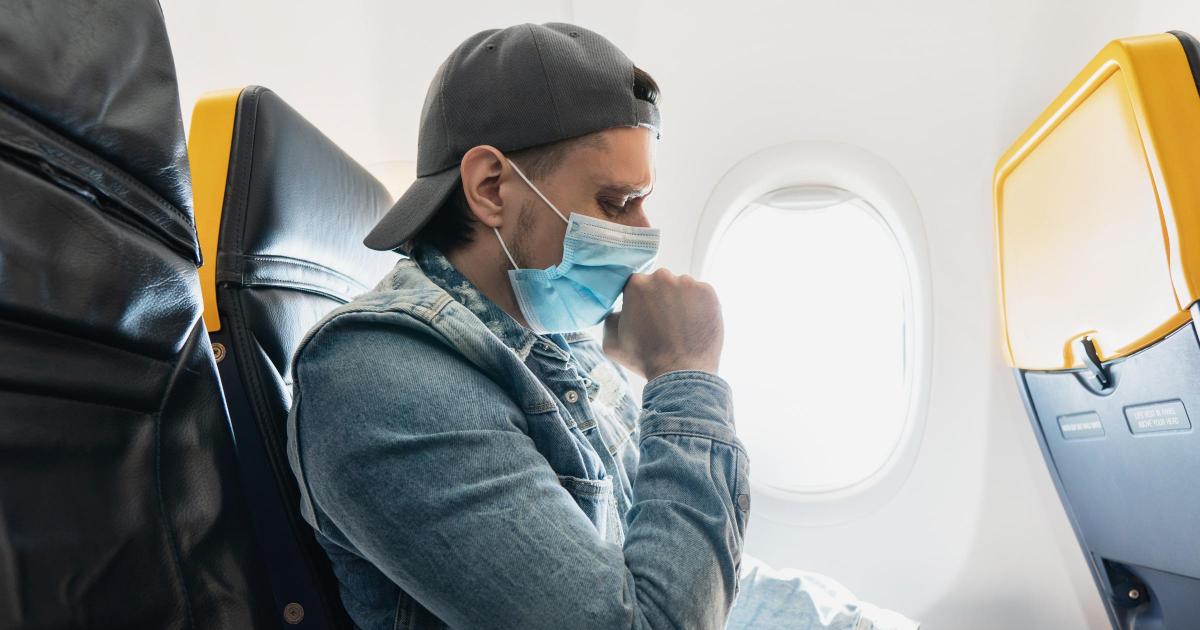
Travellers are being urged to stay up to date with vaccinations and seek health advice before heading overseas this summer, to avoid contracting any diseases.
Travel Health Pro said: “The summer holidays provide opportunity to explore different countries, head off for a city break, have a beach holiday or take the children to visit friends and family overseas.
“Good preparation and planning ahead helps ensure a safe and enjoyable trip.”
Diseases to be aware of when travelling this summer
This warning follows a recent rise in travel-related infections, including measles, dengue fever, and drug-resistant sexually transmitted infections (STIs).
Measeles
Measles remains a risk in many countries, with outbreaks reported in parts of Europe, Africa, Asia, and the Americas, including Canada and the United States.
Find out about the symptoms of measles and how the MMR or MMRV
vaccines can protect against it. https://t.co/F0zRkgHiq7 pic.twitter.com/DrsMSRAoE2— NHS Cheshire and Merseyside (@NHSCandM) May 19, 2026
Dengue and chikungunya
There is a “rising threat” from mosquito-borne diseases, particularly dengue and chikungunya, according to Travel Health Pro .
Dengue is increasing at a faster rate than any other communicable disease.
Data shows there are now around 100 million symptomatic cases of dengue each year, with an estimated 300 million additional asymptomatic infections globally.
Imported cases of chikungunya in England, Wales, and Northern Ireland rose to 160 in 2025, up from 112 in 2024.
Most of these cases involved travel to Bangladesh, India, or Sri Lanka—reflecting ongoing outbreaks in parts of Asia and the Indian Ocean region.
Travel Health Pro added: “Travellers should seek advice from a health professional before travel for information on the risk of dengue and chikungunya at their destination and discuss if vaccination is appropriate.”
Zika virus
Zika virus continues to be reported, though at lower rates. There is evidence of Zika transmission (current or past) in 97 countries and territories worldwide.
However, limited surveillance means some asymptomatic or mild cases are likely to go undetected.
Tick-borne encephalitis
Another concern is tick-borne encephalitis (TBE), a viral infection spread by ticks in parts of central, northern, and eastern Europe, as well as Siberia and areas of Asia.
TBE causes “minimal or no symptoms” in most people.
The UK Health Security Agency (UKHSA) continued: “In rare cases, the virus can attack the central nervous system and can result in long-term neurological symptoms or (very rarely) death. TBE virus (TBEV) is a member of the genus Flavivirus.”
Ticks live in woodlands, meadows, forest edges, and even parks and gardens.
The UK Health Security Agency advises following insect and tick bite prevention measures, especially when spending time outdoors in affected regions.
Planning a trip into the wilderness? Don’t forget the essentials…
Good walking shoes? ✅
Plenty of water? ✅
Knowing which creepy-crawly to be aware of? That’s a tick too… 🕷️
Find out more in our blog post:
🔗 https://t.co/4b6T1n04p9 pic.twitter.com/hvWryTQu66— UK Health Security Agency (@UKHSA) April 29, 2026
The risk of TBE is generally higher between early spring and late autumn, although this varies by location.
Malaria
Malaria is another “serious and potentially life-threatening” disease, widely found in tropical areas around the world, to be wary of, according to Travel Health Pro.
Figures show imported malaria cases remain high in the UK, with most recorded during the summer peak between July and October.
Travellers are advised to use mosquito avoidance measures and to take malaria prevention tablets if recommended.
If you’re travelling to an area where malaria is found such as Asia, Africa, or Southern America, you should seek advice from a GP, pharmacist, or travel clinic at least 4 to 6 weeks before you travel.
🔗🌍 Find out more on https://t.co/lB4gu2I3NX pic.twitter.com/f27J3lFYu2— UK Health Security Agency (@UKHSA) April 27, 2026
Typhoid and paratyphoid fever
UKHSA data also shows an increase in travel-associated cases of typhoid and paratyphoid fever.
These serious illnesses are typically contracted through contaminated food or water.
A rise in antibiotic-resistant typhoid, particularly in Pakistan, means some commonly used treatments are less effective.
There is a vaccination to protect against typhoid, but not for paratyphoid.
Sexually transmitted infections (STIs)
Travel Health Pro also warned of a rise in hard-to-treat, drug-resistant sexually transmitted infections (STIs) linked to travel abroad.
Antibiotic-resistant gonorrhoea in UK travellers has been linked to visiting popular tourist destinations in the Asia-Pacific region, including:
- Cambodia
- China
- Thailand
- Vietnam
Other diseases/illnesses to be aware of while travelling
Travel Health Pro said there were two other diseases/illnesses to be aware of while travelling this summer:
- Travellers’ diarrhoea
- Rabies
Health advice for travellers
Travel Health Pro have issued advice to reduce the risk of contracting infectious diseases while abroad.
The experts recommend reviewing vaccine requirements before travelling and making an appointment with a GP, nurse, or travel clinic.
Travellers who take regular medicines, especially prescription drugs, should be prepared and may need to contact the authorities of their destination country before they go.
Upon returning, anyone who develops a fever, flu-like symptoms, or severe headaches should seek immediate medical attention and alert their doctor about recent travel.
Travel Health Pro also recommends completing any prescribed malaria medication and attending a sexual health clinic if they had unprotected sex while abroad, even if no symptoms are present.
Do you have any trips abroad planned this summer? Let us know in the comments below.