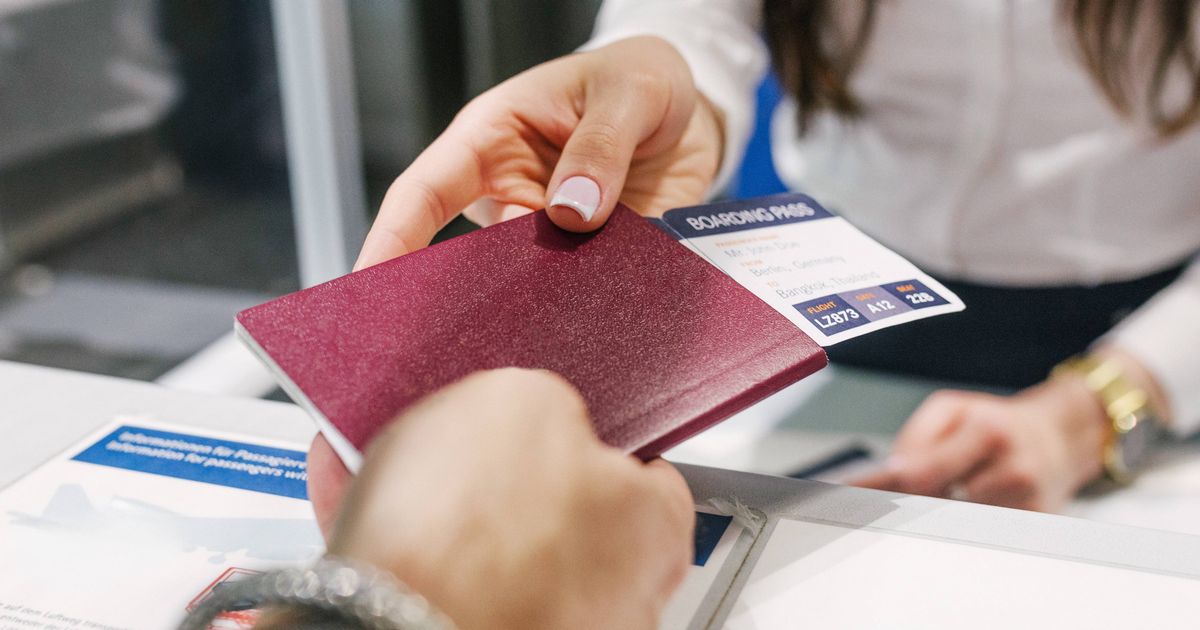
UK passport holders have been warned about a major change set to come into place on October 12. There are things you need to know about the travel rule that will impact thousands
British passport holders have been issued a crucial warning as sweeping changes are due to come into effect from October, following another travel alert issued just days ago. Anyone jetting off this year, or planning a getaway for next year, needs to be aware of these upcoming alterations that will soon be implemented.
The vital travel guidance was recently highlighted by Sam Ward, who goes by samwardsays on TikTok, and regularly updates followers on such developments online. In a latest video, he encouraged people to familiarise themselves with the fresh regulations, as they will affect how Brits travel to and from the UK.
Whilst it might not be welcome news, UK travellers have been cautioned that the modifications could lead to extended airport delays. However, there’s no need to panic, as a travel specialist previously offered tips on how you might try to beat the queues.
Sam explained: “From October 2025, if you’re travelling from the UK to Europe, your passport experience is about to change. Here’s what you need to know.
“The EU is finally launching its Entry/Exit system, known as EES. Every UK traveller entering or leaving the Schengen area will be digitally recorded. That means at the border, you’ll give your passport, have your photo taken and your fingerprints scanned the first time you use the system.
“EES starts on October 12, 2025, but it won’t be everywhere at once. There will be a transition period until April 2026, where some airports will still stamp passports while the system is phased in.
“After that, stamping should be replaced by these digital checks. This only applies to the Schengen zone though – which is most of the EU, plus Norway, Iceland and Switzerland.
“Ireland and Cyprus are not included so those border rules will stay the same. It could mean longer queues at first as everyone gets used to fingerprints and face scans so, if you’ve got a European trip planned after October, give yourself some extra time at the airport, and make sure you’re ready for the new checks when you land at the other airport.”
Last month, the UK Government released guidance to help Brits understand more about the alterations. Officials confirmed that from October 12, the EU will launch EES for British and non-EU citizens travelling for brief visits.
EES has been outlined as an “automated system”, requiring tourists to register at borders by scanning passports and providing fingerprints and photos. The requirement will apply when journeying to Schengen zone nations including Iceland, Liechtenstein, Norway and Switzerland.
Nevertheless, it won’t be necessary when heading to Ireland and Cyprus. When UK holidaymakers initially visit a participating nation after EES launches, registration will be mandatory.
This registration will remain valid for a three-year rolling period, or until their passport runs out. The website explains: “Children under 12 will not be fingerprinted but, under the new EU rules, all travellers, including babies, will be photographed and have digital records created.
“On exit, and for subsequent entries and exits to or from a participating country, travellers will only need to scan their passport and provide either their fingerprints or a photograph at the border.
“European countries using EES will phase this new system in over six months, meaning different ports may have varying requirements until April 2026. This should allow for a gradual implementation that minimises disruption, particularly at peak periods.
“For travellers using the Port of Dover, Eurotunnel at Folkestone or Eurostar at St Pancras International, the process will take place at the border before they leave the UK.”
For further details about how these modifications might affect your travel plans, check the Government website.