Anita Shreider, who lives in Germany and is the chief marketing officer at rental platform Bikes Booking, is also still planning a US trip this year, combining business meetings with sightseeing in Chicago and a trip to see the giant sequoias along the West Coast. Still, she said she understands why some travellers are pulling back.
“I have acquaintances who decided to call off their summer trips to the US because they disagree with the country’s actions on the global stage,” she said. For those who cancelled, “it wasn’t really about specific policy changes, it was more a general unease. They just didn’t feel comfortable travelling to the US right now.”
More like this:
• Why some travellers are avoiding the US
• How US politics is affecting international travel
• Partial government shutdown becomes the longest in US history
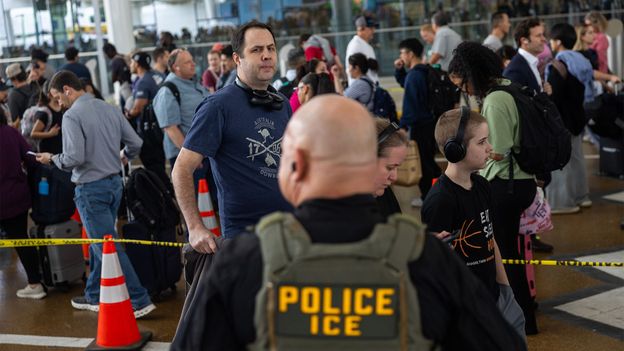
Some US-based tour operators say that once international visitors arrive, they report being surprised at what they find. “People are arriving expecting friction, but instead of craziness, [they] find a system, while far from perfect, [that] is very navigable,” said Paul Whitten, Founder and Historian at Nashville Adventures. “Do your paperwork early, and build a buffer time to travel. The difference between a stressful trip and a great one usually comes down to how prepared you are, not the policies itself.”
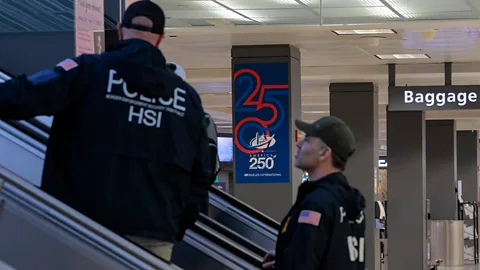
Oshan agrees, and recommends international travellers carry documentation showing their purpose of travel, and that they know their rights before they board. “While CBP (US Customs and Border Patrol) has broad authority at the border, you retain constitutional protections once on US soil,” he said. “Those rights are worth asserting and, when violated, worth litigating.”

 Getty Images
Erik Hansen, head of government relations for the US Travel Association (the lobby group for America’s travel industry), said that the nation’s travel industry recognises it needs to close the gap between what travellers fear and what they will actually experience on the ground. Yet, he also noted that many airports have rolled out expedited customs processes that have shortened queues for international arrivals, while some have implemented a shoes-on security process to keep lines moving quickly.
Whitten agrees. “Policies adjust, but they are often not indicators of massive cultural change, at least not sweeping changes that will affect the average traveller’s experience day to day,” he said. “Ultimately, at the end of the day, the US is still one of the most accessible and welcoming destinations in the world.”