
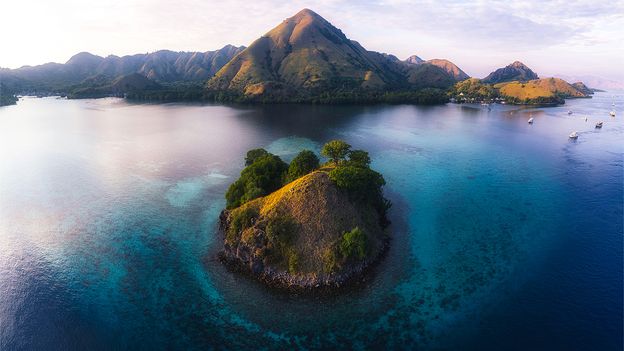
Visitors should explore the city’s nearby white-sand beaches and world class music scene. Santo Domingo is the beating heart of merengue and bachata culture, which provide a throbbing soundtrack to its February Carnival celebration and multi-day summertime Merengue Festival. The Isle of Light festival returns in March, and making a much-anticipated comeback after a 10-year hiatus is the city’s Presidente Festival – one of Latin America’s emblematic music events, showcasing major Dominican and Latin American talent.
New luxury inaugurations for 2026 include the Hyatt Place Santo Domingo Piantini (summer) and the recently opened Ocama, a villa-only hotel overlooking Rincón Bay in the verdant Samaná Peninsula. The Ocama now arranges helicopter charter transfers from Santo Domingo to the Samaná province, a former pirate haven whose coves, rainforests and turquoise waters were declared an Ecotourism Province in May 2025. – Eva Sandoval

 Diane Selkirk
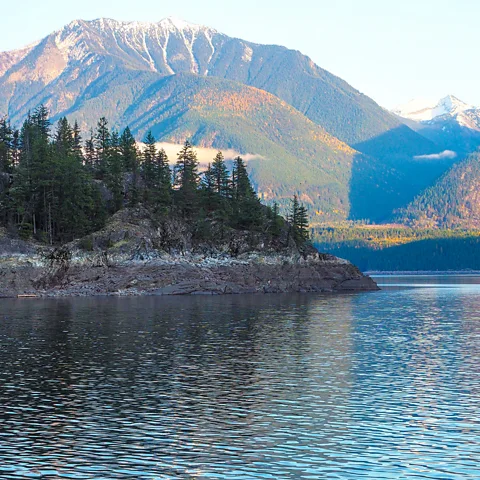
The Slocan Valley, British Columbia, Canada
Why go: Walk a powerful new trail that honours a defining chapter in Canadian history
Set within a valley of clear lakes and deep forests and framed by the Purcell and Selkirk mountains, the Slocan region has long drawn travellers seeking raw, rugged beauty. In 2026, the Japanese Canadian Legacy Trail – a self-guided route honouring those forcibly uprooted and confined here during World War Two – will add deeper meaning to that landscape.
Between 1942 and 1946, more than 22,000 Japanese Canadians were displaced from coastal communities and sent inland to hastily built internment sites in farmers’ fields and abandoned mining towns such as Sandon in the Slocan Valley. Despite the hardships – the loss of homes, livelihoods and community – the internees built schools, gardens, cultural spaces and support networks. Their children and grandchildren would later contribute profoundly to Canada’s civic, artistic and academic life.
Accessible by car, bike or foot, the new 60km (37m) trail follows country roads and rail trails, linking museums, memorial gardens, a lakeside internment site and community-led exhibits developed with Japanese Canadian families. Between stops, travellers can pause at farm-to-table cafes, paddle the still waters of Slocan Lake, browse craft studios, take a dip in a hot spring or practise shinrin-yoku in old-growth forest.
The trail offers a reflective, place-based way to understand a dark and pivotal chapter in Canadian history at a moment when questions of belonging feel especially urgent. For valley communities, the new initiative honours the past while sustaining the region’s future. – Diane Selkirk
 Michael Peters
Uluru, Australia
Why go: A landmark anniversary – and a new way to walk on ancient, sacred land
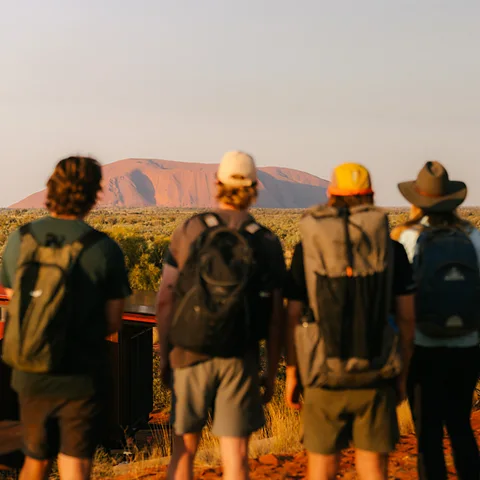
October 2025 marked 40 years since the historic Uluru Handback returned this sacred place to its Anangu Traditional Owners — a milestone that continues to reshape how Australia engages with Aboriginal sites. The nation has come a long way since visitors were once encouraged to climb what was then known as Ayers Rock, a practice formally banned in 2019. Today, Anangu are telling their stories on their own terms and travellers can connect with this ancient land in deeper, more meaningful ways.
The biggest moment of the year will be the launch of the Uluru-Kata Tjuta Signature Walk: a five-day, four-night journey linking the soaring domes of Kata Tjuta with the base of the world-famous red rock. The route traces 54km (33.5m) of Anangu-mapped trails through desert oak forest, spinifex plains and red-dune country normally closed to the public. It is also the only way travellers can sleep inside Uluru-Kata Tjuta National Park – a rare privilege made possible through a decade of collaboration with Traditional Owners – staying in beautifully crafted eco-camps and a new lodge that’s been designed to melt into the desert palette. Already named one of the Great Walks of Australia, it blends sunrise hikes, stargazing decks and Indigenous-led workshops, with a share of revenue returning directly to community partners.
Beyond the trail, travellers can experience two extraordinary nightscapes: Wintjiri Wiru, the Anangu-led drone-and-light storytelling experience above the desert; and Field of Light, marking its 10th anniversary in 2026 as Bruce Munro’s now-iconic installation of 50,000 glowing stems. – Ellie Cobb
 Getty Images
Uruguay
Why go: Flamingo-filled lagoons, world-class steaks and sustainability
Located between Brazil and Argentina, Uruguay is one of South America’s smallest nations wedged between the continent’s two largest. Yet despite its modest size, it offers a dazzling array of wildlife excursions, colonial architecture and windswept dunes – and has quietly become one of the region’s most progressive destinations.
An inclusive destination
“IGLTA considers Uruguay one of the most progressive countries in the world. It is lauded as one of the safest places for [LGBTQ+] travellers to visit and live.” – Jeff Greenwald, Ethical Traveler
The nation generates 98% of its electricity from renewable sources, it consistently ranks as one of the safest places for LGBTQ+ travellers and its Uruguayans by Nature campaign encourages visitors to respect the environment while supporting local communities.
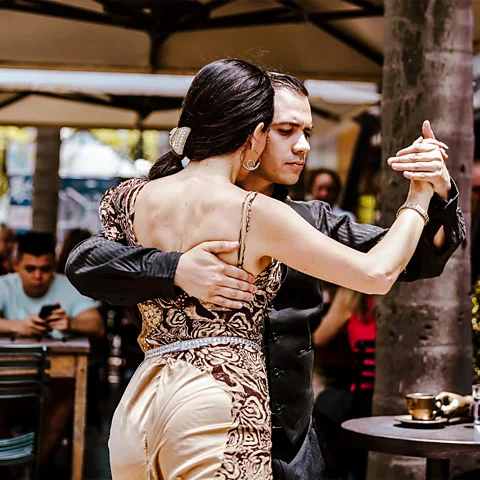
More than half of Uruguay’s roughly 3.5 million residents live in Montevideo, the vibrant capital that has the feel of a seaside resort despite remaining a busy port. Though long overshadowed by Buenos Aires just across the River Plate, Montevideo is also one of the birthplaces of tango, home to world-class steaks and hosts South America’s longest carnival celebration (lasting at least 40 days) from January to March.
Beyond the capital, the Portuguese-founded city of Colonia del Sacramento is an architectural treasure trove, while the fertile grasslands of the pampas are scattered with cattle ranches producing some of the finest beef on the planet. Uruguay’s coastline is peppered with glorious beaches, surf spots, party towns and quiet fishing villages – not to mention the flamingo-filled lagoons of Laguna de Rocha and Laguna Garzón and the rippling sand dunes of Cabo Polonio. – Shafik Meghji
—
If you liked this story, sign up for The Essential List newsletter – a handpicked selection of features, videos and can’t-miss news, delivered to your inbox twice a week.
For more Travel stories from the BBC, follow us on Facebook and Instagram.