
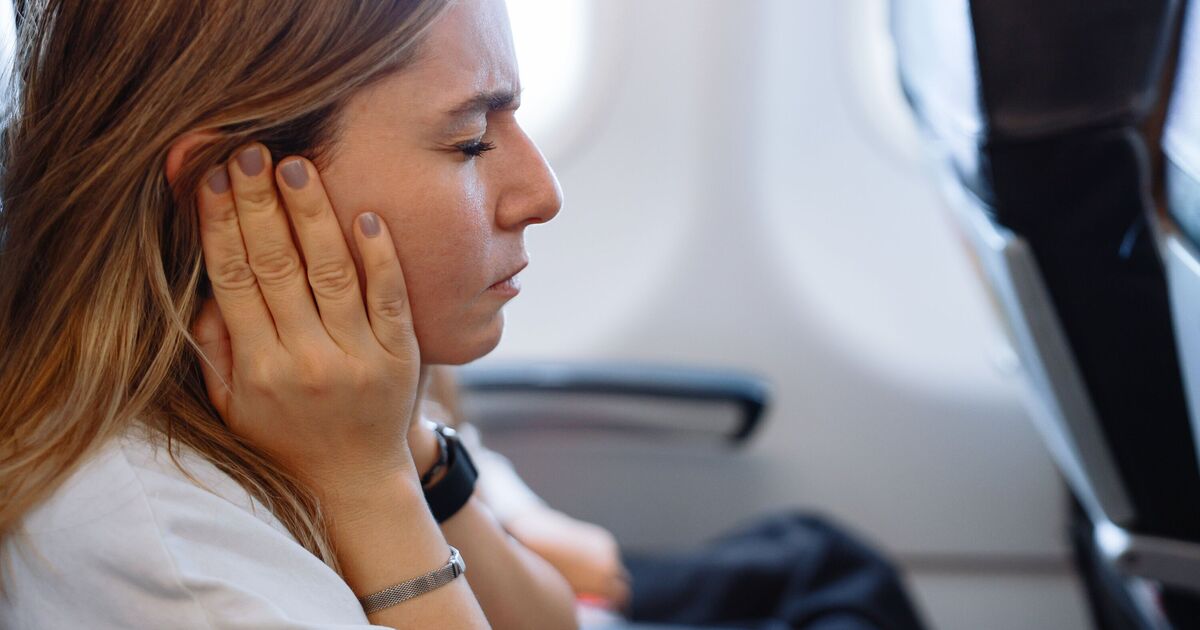
Many airlines now offer a chance to choose your exact seat, and while sometimes it may set you back a few extra pounds, it could be well worth it.
Daniel Burnham, an aviation expert at the flight-deal tracking site Going, told Afar: “You’ll usually experience the most jolts and widest range of motion at the back of the aircraft.”
The tail of a plane often receives the most movement, similar to when a car or a bus goes over a bump in the road, those at the back get the biggest jump – so if turbulence does hit, the back few rows are the ones to avoid.
But for those wanting a smoother ride, two spots may hold the solution. Burnham added: “Sitting at the very front of the cabin is also a great option for less motion and a quieter ride, but it’s generally going to cost extra, either as a seat assignment or business-class ticket.”
But for those not wanting to splash the cash, experienced pilot and Boeing captain Maria Fagerström said: “The best seats to experience the least amount of turbulence are close to the wings.”
Thinking of turbulence as acting almost like a seesaw, being closer to the wings offers more stability. She added: “This has to do with where the centre of gravity is located on the aircraft. The further away from it you are, the more turbulence you feel.”
For most long-haul flights, the perfect zone sits between rows 12 and 25, but if the wings are not on the seat map, then simply find the middle emergency exit and sit a few rows in front or behind.
What causes turbulence?
Turbulence is a common atmospheric condition that refers to irregular movements of air that lead to sudden shifts in an aircraft’s altitude or orientation, according to the Flightradar24 Blog. There are a variety of turbulence types that all depend on where you’re flying to, when, and what you are flying over such as mountains.
The flight website said: “Whilst turbulence can feel unsettling, especially to nervous flyers, it is important to emphasise that severe turbulence events are generally quite rare. Pilots carry out an extensive weather brief before a flight which identifies areas of known turbulence en-route, which are avoided if possible.”