Modern touring looks nothing like it did even a decade ago. Artists now bounce across continents faster, rest less, and rely on increasingly complex logistics to keep the show running.
As demand for global performances rises, the pressure is on to move people, gear, and production elements with near military precision. Let’s look at how these new touring patterns are reshaping travel behind the scenes.
The Rise of the Nonstop Tour
Concert schedules today are tighter than ever. Big tours stack back to back shows, leaving little room for recovery. This shift is partly driven by fan demand and partly by the economics of touring, where every day off cuts into the bottom line. Recent reporting by People highlighted how some artists, including Bjork, are rethinking traditional tour structures because they simply aren’t sustainable.

Why Everything Has Become Faster
Artists need to reach multiple markets quickly, and they often face:
- Limited venue availability that forces abrupt jumps between cities
- Time zone swings that compress recovery windows
- Crew requirements that make long breaks impractical
For artists and crews constantly on the move, access to reliable music sources can be a valuable companion. You might find helpful options by checking out some apps for downloading music for free, which allow easy access to tracks even when offline.
When Tours Become Global Logistics Machines
As tours get bigger, the logistics behind them get more complicated. A single run of shows might include multiple international flights each week, freight containers moving simultaneously across borders, and entirely separate teams coordinating ground operations.
Coverage by Digital Music News noted that tighter routing, visas, and transportation challenges affect artists at every level, not just the mega‑stars. Navigating these moving parts requires coordination that feels more like global supply chain management.
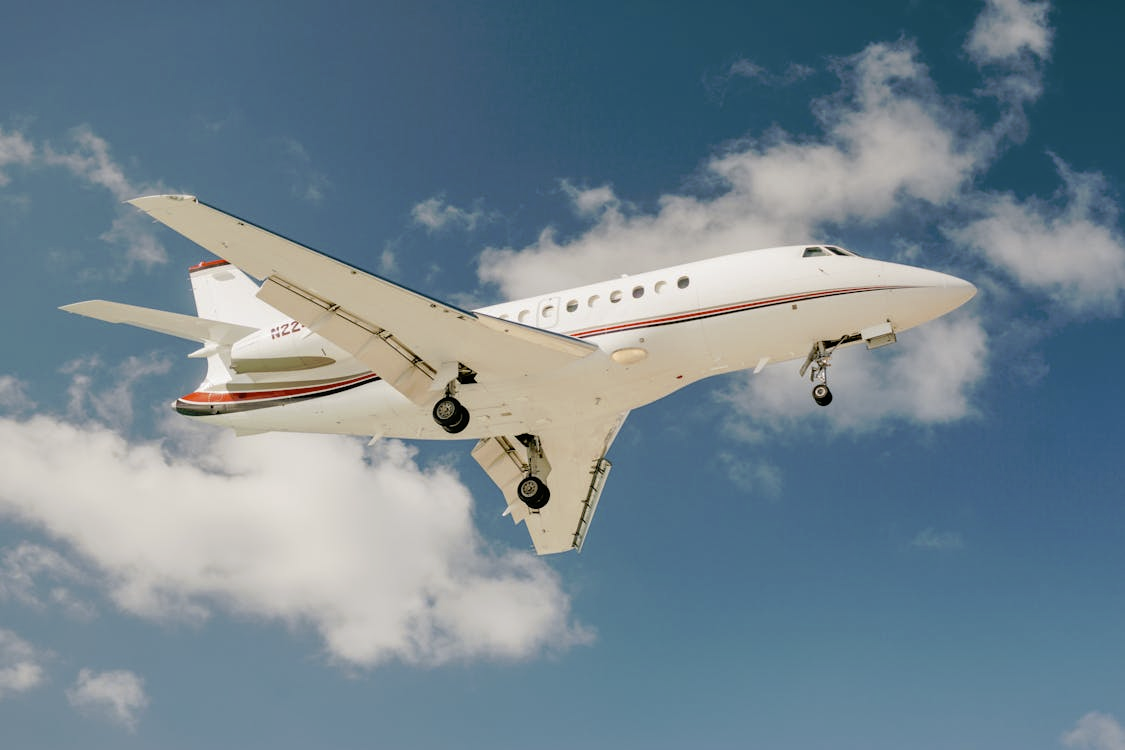
This is also where flexible travel solutions come into play. For many teams, being able to rent a private jet allows them to keep pace with demanding itineraries without adding unnecessary strain to artists or crews. It’s a good solution for tours that need to move quickly between cities where commercial schedules don’t align.
How Mega-Tours Set the Tone
In coverage by The Times, massive productions like Taylor Swift’s and Coldplay’s were shown to influence the entire industry. Their globe‑spanning schedules create expectations of efficiency and speed, pushing even smaller tours to adopt similar tactics to stay competitive.

The Push Toward More Flexible Touring Models
Not every artist wants to live in motion forever. Some are choosing creative approaches that prioritize sustainability, both personal and environmental. People’s reporting on artists experimenting with residencies rather than traditional tours shows a growing move toward stability.
New Approaches Artists Are Trying
- Multi-week stays in one city that reduce travel strain
- Routing tours by region instead of hopping hemispheres
- Partnering with promoters who specialize in smoother local logistics
Why Flexibility Matters More Now
Rising costs and operational challenges are making adaptability essential. Tours that can adjust on the fly, shift dates, or reorganize travel quickly stand a better chance of avoiding burnout and financial headaches.
The Human Cost of Constant Movement
Behind every tight itinerary is a crew working around the clock. Lighting techs, audio engineers, drivers, and stage managers all feel the pressure of rapid travel just as strongly as the artists. When a tour jumps from one country to another overnight, it usually means someone is breaking down equipment into the early morning hours while another team is already prepping the next venue.
The lack of rest days has become one of the biggest stress points. Shorter gaps mean crews often experience long chains of sleepless nights, irregular meals, and little time to recalibrate between time zones. While the public conversation usually focuses on artist burnout, the crew often faces similar challenges without the same visibility. Some managers are attempting to rotate teams more frequently to create pockets of rest and provide time for wellness routines, though this adds financial strain to tours already managing rising costs.
Another emerging solution is adjusting production size. Not every show needs maximum staging, and many artists now opt for smaller rigs on international runs. This reduces freight delays, cuts setup time, and allows crews to work more predictable hours. It also gives tours a better chance of sticking to schedule when travel becomes unpredictable.
Technology That Keeps Tours Moving
Technology is becoming a major tool in the fight against travel pressure. Modern routing software helps managers map out more efficient city sequences, cutting unnecessary backtracking. It considers factors such as airport capacity, venue load-in times, freight travel lanes, and seasonal climate patterns that could affect transportation.
Remote coordination tools also make a difference. Instead of managing everything on the ground, tour managers now track freight, personnel, and local contractors through real-time dashboards. This keeps small issues from snowballing into cancellations.
Some tours use predictive analytics to forecast delays. If a border crossing is likely to slow down equipment trucks, the software flags alternative routes or suggests adjusting crew call times. These tools cannot eliminate the chaos of touring, but they give teams a better chance of staying ahead of problems.
The Bottom Line
Despite the challenges, tours are still going strong. Artists, managers, and crews are learning to operate in an environment where timing is everything. Whether it’s optimizing flights, rotating crew shifts, or rethinking the number of cities on a run, the industry is redefining what it means to stay on the road.
As touring continues to evolve, so will the travel strategies that support it. Fans may only see the performance on stage, but behind the scenes, teams are rewriting the rules of movement to keep the global music machine rolling.