When Yves Marceau visited Pakistan, the G Adventures vice president of product knew he’d found a destination that had “it.”
Marceau had been weighing G Adventures expansion to the country for a few years, unsure if it was the right time. When he finally visited Pakistan himself, he was sold on bringing travelers there to experience it themselves.
G Adventures debuted its Pakistan tours this year, and already “people are in love,” Marceau said.
Tour operators regularly introduce new itineraries, but bringing a tour to life, especially in a new destination, can be years in the making. And depending on the location, it may require extensive research, exploratory trips and relationship building in the region to identify suppliers that best share the company’s values.
Tour operators G Adventures and Collette as well as the river cruise lines AmaWaterways and Viking are among suppliers that recently expanded their operations to new countries, decisions spurred by a need to diversify offerings and give travelers products in destinations that are rising in popularity or off the beaten path.
At G Adventures, the decision to expand into new territory comes after considering travel statistics and trends, air capacity and what the destination offers, Marceau said.
The company is committed to debuting a handful of new destinations annually, he said, including to regions in a country G already visits, like Spain or Morocco. It can take two or three years for a destination to grow from an idea to a marketed itinerary.
“We’re always looking to see where we can take travelers and give them a phenomenal experience and go to someplace where we have an impact on how tourism gets developed,” Marceau said. “That’s an important piece for us at G.”
For Collette, the first considerations for expansion are technical, such as airline routes. The company surveys its travelers and travel advisors about what is lacking in its catalog. Most important, said Diana Ditto, vice president of product marketing and growth strategy at Collette, is getting boots-on-the-ground research.
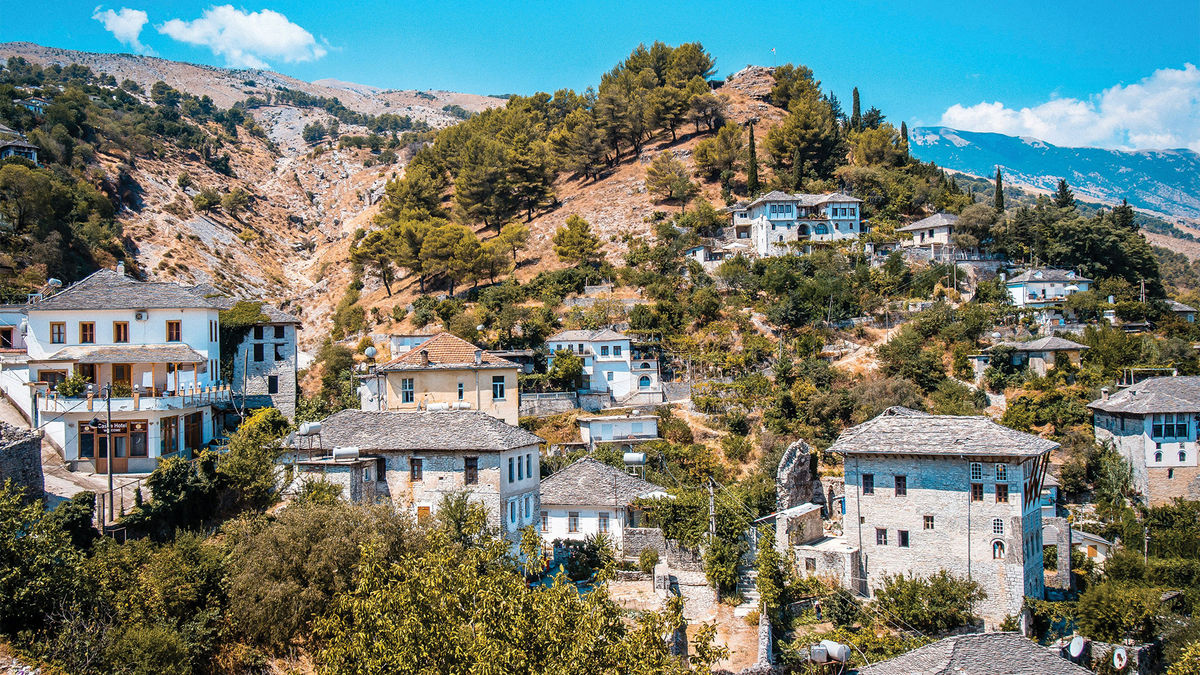
Collette this year launched its first itineraries in Albania, and the Balkan country has already proved popular.
“What we’re finding is travelers … want to see the must-sees, but they also want to see the off-the-beaten-path stuff,” Ditto said. “But it’s becoming harder and harder to find, which is why the Balkans are doing well for us.”
Marceau echoed the importance of on-the-ground research and investigating the country by embarking on potential excursions, even though it’s a costly investment in time and money. Simply repeating another operator’s itinerary with some adjustments and tweaks won’t make a lasting impression on customers or a positive impact on destinations, he said.
“If all you’re going to do is rely on a local DMC or copy someone else’s tour, you’re not really going to be able to build the kind of product that resonates with your client,” he said. “We invest in going on the ground, looking and assessing and building the right partnerships.”
For G Adventures, those partnerships are often discovered in small, family-run operations, like hotels or wineries, that offer a unique, localized perspective to travelers. A piece of the operator’s budget is specifically earmarked for these exploratory trips, where the employee is tasked with uncovering hidden gems and working with the local supply chain to build out itineraries.
Moldova, a landlocked country in Eastern Europe that was formerly part of the Soviet Union and borders Romania and Ukraine, found itself on G Adventures’ radar due to its popularity in the food and wine scene. The country has a “phenomenal wine-producing region,” Marceau said, and is likely already on the radar of foodies and wine lovers.
G will launch its first tours there in April, and among the experiences will be a visit to an underground winery where visitors can sample wine in limestone caves and snack on Moldovan cheese.
Moldova is an example of a country so off the beaten path that had G Adventures relied on internal surveys among its past travelers to steer its decision-making on expansion, only about 10% of respondents might have indicated interest in the country. In this case, Marceau had observed chatter about Moldova on culinary-focused social media, sparking the company’s interest. While Moldova tourism has been increasing, Europeans have largely driven its growth.
But only a few weeks after launching sales, one departure had almost sold out, “just with a press release,” Marceau said.