
Government shutdown looms as deadline approaches
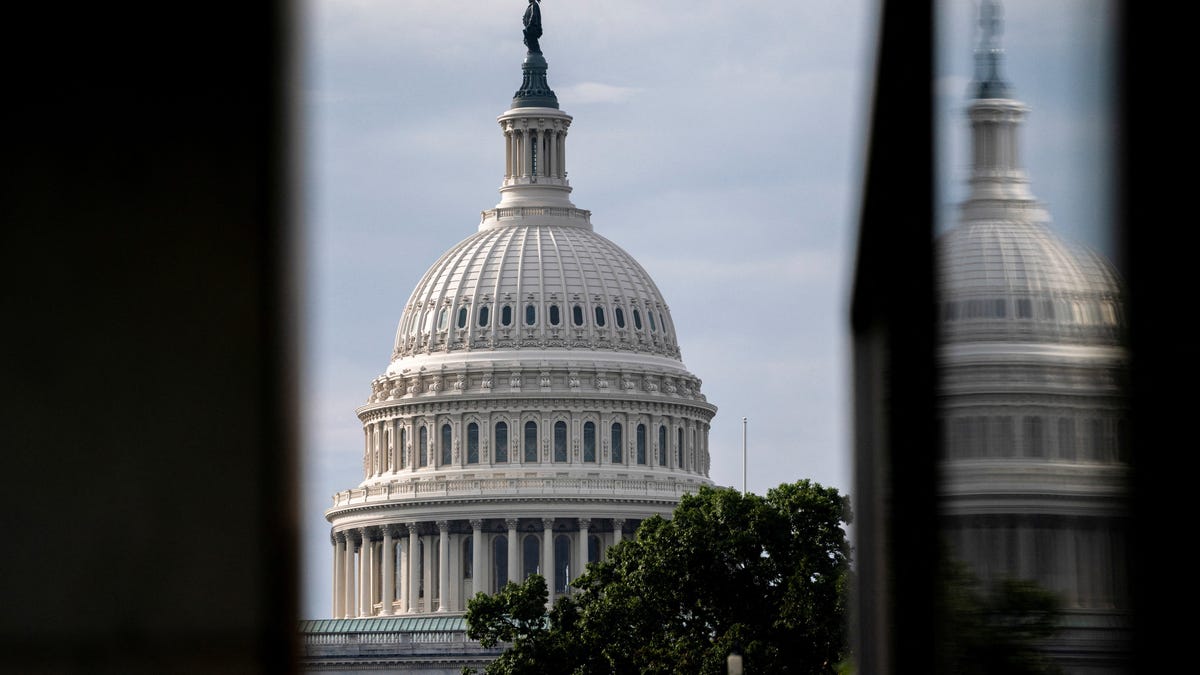
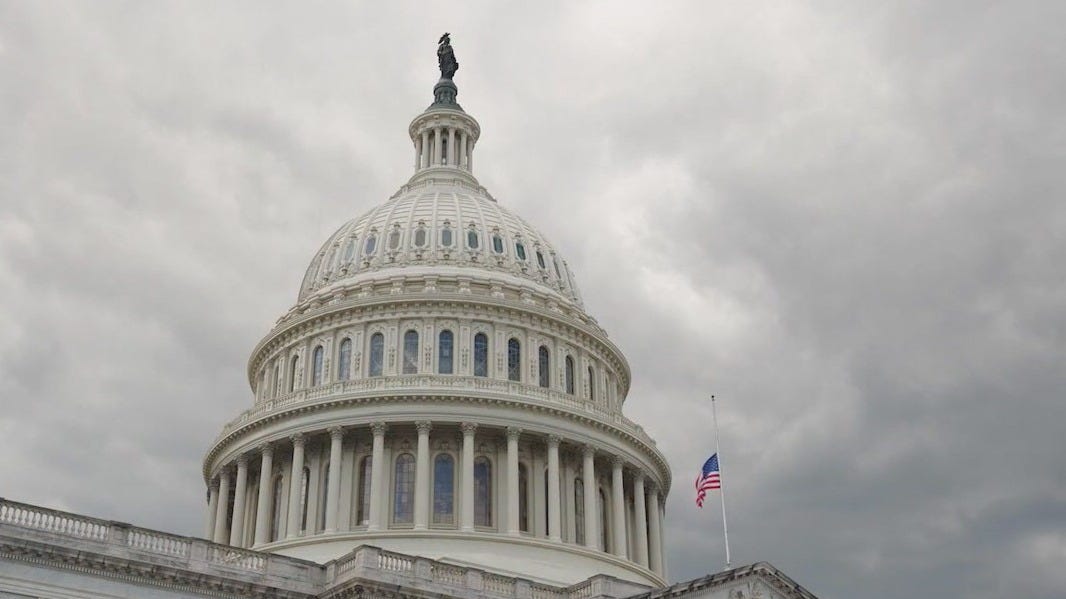
A government shutdown could be less than a week away, and now the Trump administration is promising to lay off more federal workers if it happens.
Fox – Fox 9
- A partial government shutdown looms as President Trump and congressional Democrats clash over spending.
- Essential services like the U.S. Postal Service, Social Security, and Medicare will continue, but non-essential services will stop.
- Unlike past shutdowns, federal workers face the possibility of permanent layoffs instead of temporary furloughs with back pay.
- Pennsylvania’s nearly 67,000 federal workers and national parks like Gettysburg could be significantly impacted.
As President Donald Trump and congressional Democrats clash over government spending, a partial government shutdown looms Oct. 1.
Partisan spending disputes occasionally shut down parts of the government for a few days or a few weeks. Traditionally, “essential” workers such as military troops or air-traffic controllers are exempt from a shutdown, while visitors to national parks notice custodial workers are “non-essential” and trash piles up.
The stakes are higher for federal workers because the White House is considering layoffs rather than temporary furloughs. In past shutdowns, workers were paid back for their time off when the funding dispute was resolved, but it’s not clear that will happen this time.
Here’s what to know about potential shutdown and its possible effects in Pennsylvania:
What will be affected by the shutdown?
During a government shutdown, all federal agencies and services that officials do not deem “essential” must stop working.
Essential services include the U.S. Postal Service, Medicare and Social Security services and air-traffic control.
“Non-essential” work, however, must pause, which affects thousands of federal employees and millions of Americans. National parks closed during past shutdowns or were kept open with state help, but with fewer services like trash pickup.
Phil Glover, Pennsylvania’s national vice president of American Federation of Government Employees, said historically, people get upset about the park closures and about delays in passport services.
How many federal workers are in Pennsylvania?
Nearly 67,000 federal civilian employees work in Pennsylvania, according to a recent congressional report. The AFGE alone represents about 30,000 federal workers in the commonwealth, a figure that excludes postal carriers and Internal Revenue Service employees, Glover said.
He said many federal employees are based in Philadelphia and Pittsburgh, although there are also many in northeastern areas of the commonwealth. There are also military installations in Mechanicsburg and New Cumberland in central Pennsylvania, he noted.
In addition, a large Social Security Administration office is based in Philadelphia, and several federal prisons are scattered across the commonwealth.
Will Social Security checks go out?
The Social Security Administration is projected to pay out $1.6 trillion to 72 million beneficiaries this year, making it a vital economic lifeline for much of the country.
A shutdown won’t disrupt those payments.
Social Security is a mandatory spending program that is not subject to annual appropriations. However, staffing and some services could be impacted if they have a discretionary spending component, according to the Committee for a Responsible Budget, a nonprofit that studies federal fiscal policy.
Richard Gennetti, an AFGE representative for Pennsylvania and former Social Security employee, said a shutdown could slow down the process of adding new beneficiaries or making adjustments if changes are needed to the checks.
What happens to Medicare and Medicaid during a shutdown?
The federal Medicare and Medicaid health insurance programs also are considered mandatory spending, meaning benefits won’t be affected if the government shuts down.
About three million people in Pennsylvania are enrolled in Medicaid for lower-income families and the disabled. And roughly the same number were enrolled in Medicare for the elderly as of 2024, according to KFF.
Will national parks close in a shutdown?
National parks could be significantly affected by a shutdown. Park funding is appropriated by Congress, leaving the park system vulnerable if lawmakers can’t reach a deal.
During the 35-day shutdown in December 2018 and January 2019, some national parks closed. Many stayed open, some with help from state governments, but “no visitor services were provided, and damage and trash build-up were reported at many sites,” according to the Committee for a Responsible Federal Budget.
A contingency plan created by the National Park Service for a potential 2023 shutdown stated: “In general, National Park Service sites will be closed during the period of a lapse in appropriations. This means that the majority of National Park sites will be closed completely to public access.”
Gettysburg National Military Park and Independence Hall are prominent Pennsylvania sites served by the parks service, and Glover said the public has not been pleased to lose access at those locations during past shutdowns.
Will federal workers get paid?
Traditionally, federal workers get paid after being furloughed temporarily for shutdowns. But the Office of Management and Budget asked federal agencies on Sept. 24 to draft plans for permanent layoffs.
“Programs that did not benefit from an infusion of mandatory appropriations will bear the brunt of a shutdown,” the memo said.
Gennetti said even if workers ultimately get back pay, the delay can still put them in a tight spot, especially for in-person employees who have commute expenses when getting to their jobs.
“So they have to incur all those expenses without any income,” he said. “It’s very difficult, and it’s a very cruel thing to do to federal employees.”
Is airline travel through FAA and TSA affected by a shutdown?
Air travel continues during a shutdown. The Federal Aviation Administration’s air-traffic control system and the Transportation Security Administration are considered essential.
But workers don’t get paid during the shutdown, which can lead to delays when they don’t show up for shifts. Geoff Freeman, CEO of the U.S. Travel Association, said an estimated $1 billion per week is lost to the travel economy because of disruptions in air and rail travel, and closures of parks and museums.
“The consequences of inaction are immediate and severe,” Freeman said in a Sept. 25 letter to congressional leaders.
During the shutdown in December 2018 and January 2019, some TSA checkpoints were closed and travelers faced longer lines when agents didn’t report to work, according to the Committee for a Responsible Federal Budget. The absence of 10 controllers temporarily halted flights at New York’s LaGuardia airport and caused delays at others.
What happens to food benefits under the Supplemental Nutrition Assistance program during a shutdown?
SNAP benefits, formerly known as food stamps, also are considered mandatory spending but can be affected by shutdowns.
The continuing resolutions ― bills that continue government funding at current levels ― that have been used to fund the government generally only allow the Agriculture Department to send out SNAP benefits “for 30 days after a shutdown begins,” according to the Committee for a Responsible Budget.
“During the 2018-2019 shutdown, the USDA paid February SNAP benefits early on January 20, just before the 30-day window ended, but it would have been unable to pay March benefits had the shutdown continued,” the group said.
Bethany Rodgers is a USA TODAY Network Pennsylvania investigative journalist.