
Luxury travel is no longer defined by thread count, private transfers or even exclusivity alone. Today’s luxury consumer—particularly high-value Millennials, Gen Xers and affluent Gen Z travelers—is seeking something more elusive: meaning. They want immersion, access, discovery and a sense that their loyalty unlocks experiences they couldn’t easily buy outright.
That shift helps explain why Hilton’s partnership with Explora Journeys, the ultra-luxury ocean travel brand backed by MSC Group, is more than just another points redemption option. It’s a signal of how loyalty, luxury and exploration are converging—and where the future of premium travel may be headed.
“This isn’t about bolting on another aspirational reward,” Mark Weinstein, Chief Marketing Officer at Hilton, told me via Zoom. “It’s about meeting guests where luxury is going—toward experiences that feel deeply personal, immersive and unforgettable.”

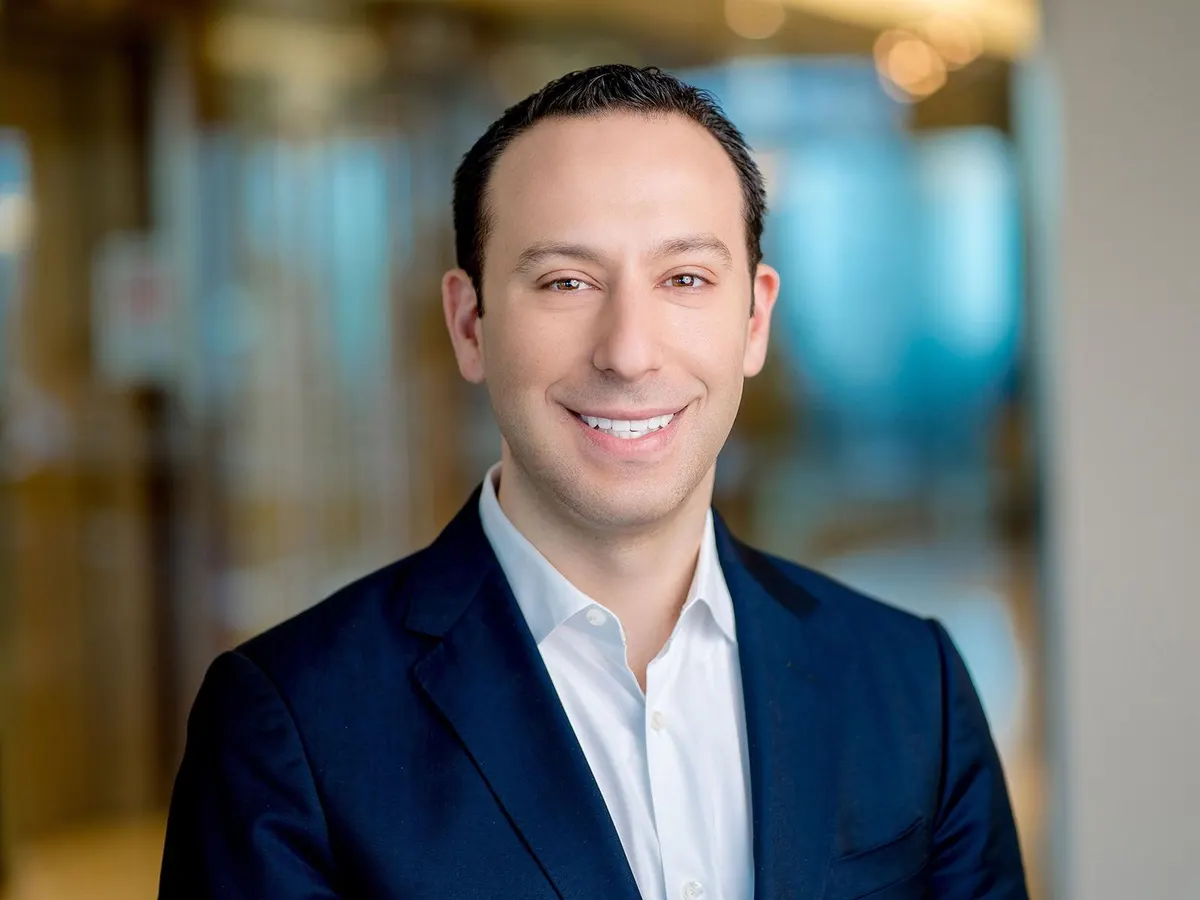
Hilton CMO Mark Weinstein
Hilton
The Luxury Travel Consumer Is Redefining Value
Luxury has always been aspirational, but the definition has changed dramatically over the last decade. The modern luxury traveler is less interested in status for status’s sake and more focused on self-expansion—learning, wellness, cultural immersion and emotional enrichment.
Explora Journeys’ Global President Anna Nash sees this evolution firsthand.
“We’re seeing guests who don’t want to be rushed from port to port,” Nash said. “They want time, space and depth. Luxury today is about freedom, elegance and discovery—on your own terms.”
Explora Global President Anna Nash
MSC
Explora Journeys was conceived in 2021 with exactly that ethos in mind. Its ships—described by Nash as “ultra-elegant ocean residences”—blend the intimacy of a boutique hotel with the fluidity of slow travel. By 2028, the brand plans to operate a fleet of six ships, each designed to feel more like a private yacht than a traditional cruise.
That philosophy aligns neatly with Hilton’s expanding view of luxury, which increasingly stretches beyond hotel walls.
Hilton’s Loyalty Strategy: From Points To Possibility
Hilton Honors has long been one of the most robust loyalty ecosystems in hospitality, but its evolution over the past several years reflects a deeper strategic shift: loyalty as currency for life experiences, not just free nights.
“We now have over a thousand luxury and lifestyle properties globally,” Weinstein explained. “But loyalty isn’t just about staying more nights—it’s about what those nights enable.”
Recent Hilton Honors innovations—like family points pooling, expanded experiential redemptions and deeper partnerships—signal that the brand understands how modern consumers think about value.
“We unlocked family points pooling so people can combine their points to do something bigger together,” Weinstein said. “That might be a luxury hotel stay, a suite, or now, something like an ultra-luxury ocean journey.”
The Explora partnership allows Hilton Honors members to redeem points for a curated collection of voyages—16 specially selected journeys designed to introduce Hilton’s most loyal members to a different dimension of luxury travel.
“This is about enriching the Hilton Honors ecosystem,” Nash added. “We wanted to create a bridge for guests who trust Hilton and are curious about a new way to see the world.”
Why Exploration Is The New Status Symbol
In luxury travel, where you go matters less than how deeply you experience it. That’s why exploration-driven brands—from expedition cruises to remote eco-lodges—are capturing disproportionate attention among high-value travelers.
Weinstein sees this trend as a natural evolution.
“Travel today is about storytelling,” he said. “It’s about saying, ‘I didn’t just go there—I experienced it in a way that felt uniquely mine.’”
Explora’s model supports that narrative. With longer port stays, fewer guests and highly curated itineraries, the brand prioritizes depth over density. It’s luxury designed for travelers who already have plenty of stamps in their passports.
And importantly, it introduces a new use case for loyalty points: experiential elevation.
“For many guests, points are emotional currency,” Weinstein noted. “They represent memories earned over time. Using them for something extraordinary makes that emotional connection even stronger.”
The Strategic Power Of Cross-Luxury Partnerships
From a business perspective, the Hilton–Explora partnership reflects a broader trend: premium brands extending loyalty beyond their core category.
This isn’t about dilution—it’s about amplification.
“Luxury consumers live multi-dimensional lives,” Nash said. “They don’t separate hotels, transportation and experiences the way brands often do. They just want everything to feel seamless, elevated and aligned with their values.”
For Hilton, partnering with Explora allows the brand to participate in the growing ultra-luxury travel segment without building its own ships. For Explora, Hilton Honors offers immediate access to one of the world’s most engaged, high-spending loyalty audiences.
“It makes sense to keep everyone within the same ecosystem where they can earn and burn points,” Nash explained. “That’s what today’s traveler expects.”
Loyalty As A Discovery Engine
Perhaps the most compelling aspect of the partnership is how it reframes loyalty as a discovery engine, not just a rewards mechanism.
“Some Hilton Honors members may never have considered ocean travel before,” Nash said. “This opens the door in a way that feels trusted and accessible.”
That’s a critical insight. Modern loyalty programs succeed not by rewarding past behavior alone, but by shaping future behavior. By introducing members to new categories of travel, Hilton isn’t just increasing redemption—it’s expanding lifetime value.
Weinstein put it simply: “We’re always looking for ways to surprise and delight our most loyal guests.”
What This Means For The Future Of Luxury Travel
The Hilton–Explora partnership offers a glimpse into where luxury travel is heading:
- Experience-first loyalty over transactional rewards
- Cross-category partnerships that reflect real consumer lifestyles
- Exploration and enrichment as core luxury values
- Personalization at scale, powered by trust and data
Luxury brands that fail to evolve risk becoming static symbols in a dynamic world. Those that succeed—like Hilton—are reimagining loyalty as a platform for meaning, not just perks.
As Nash aptly summed it up: “True luxury is about how you feel when you travel—and how long that feeling stays with you after you return.”
In an era where memories matter more than miles, that might be the most valuable reward of all.