
As you plan your 2026 travels, keep in mind that the best time to visit many destinations isn’t peak season, and it’s not necessarily the depths of the off-season either; instead, it’s the narrow in-between stretch. Known as “shoulder season,” this period typically runs from early spring through early summer and again from late summer into fall (depending on the destination), when crowds begin to thin while places remain fully operational. Timing is imperative, though: Once you miss the window, the balance shifts drastically, as do the prices.
From desert cities to coastal escapes, these are the best shoulder season travel destinations in the U.S., and exactly when to go.
Phoenix and Scottsdale, Arizona
When to go: March–April, late September–early December
March and April are when Phoenix and Scottsdale are easiest to enjoy. Days are warm but not punishing, patios stay busy and you don’t have to plan your activities—like golfing or hiking—around the heat of the day. Resort pricing has also begun to ease around popular areas like Paradise Valley and Old Town. Fall offers a similar reset: After monsoon season and before holiday travel ramps up, the pace slows significantly. I visited in November and had no trouble booking restaurants; plus, notable attractions like Taliesin West, Papago Park and the Desert Botanical Garden felt like mine alone to explore.
Cape Cod, Massachusetts
When to go: September–October
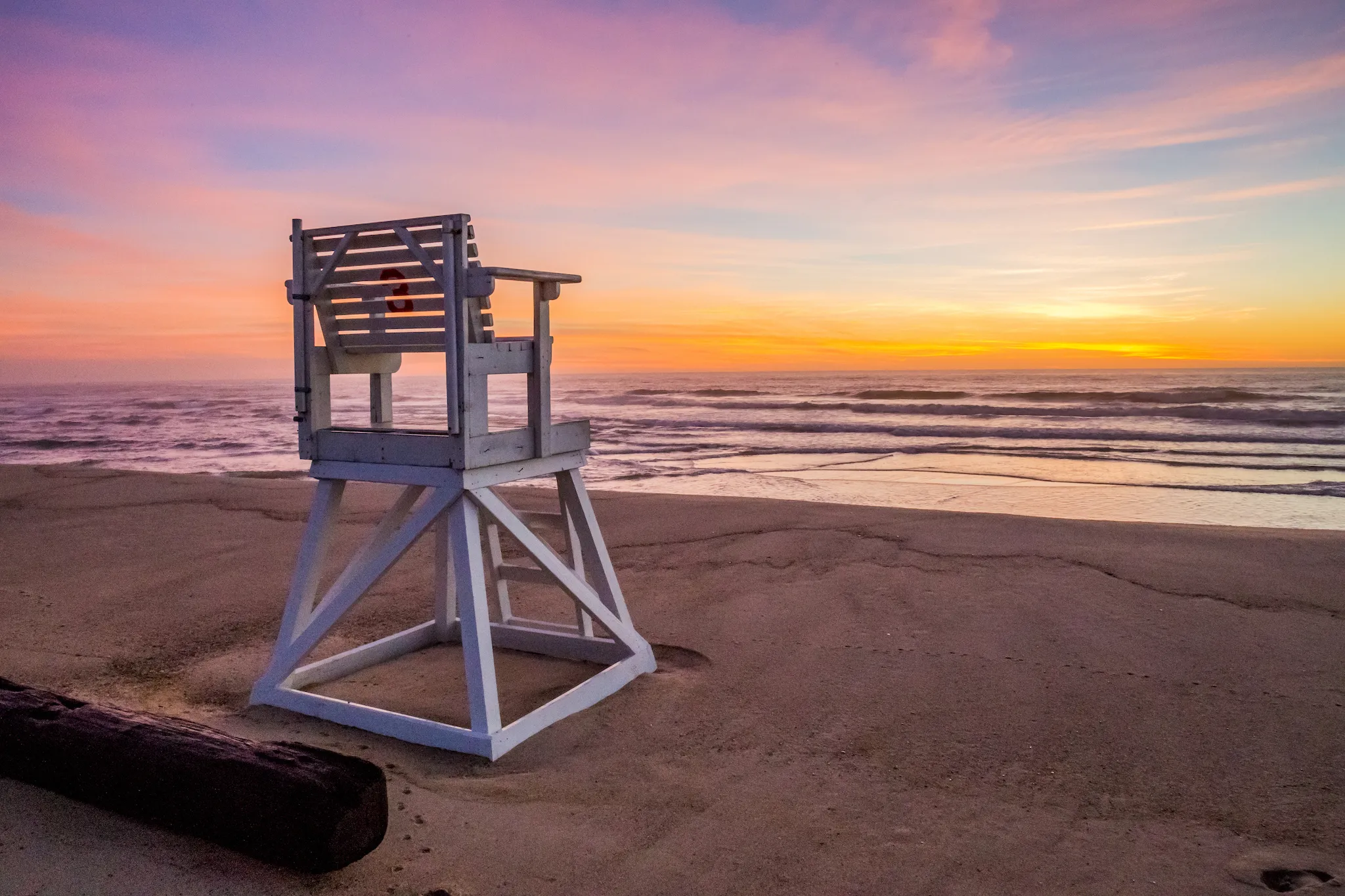
After Labor Day, Cape Cod enters what residents affectionately refer to as “local summer.” Traffic thins and ferry schedules scale back, but daytime temperatures stay mild through the early fall. In September, the water remains warm enough for swimming, while October is prime time for cranberry harvests (don’t miss the Harwich Cranberry Arts & Music Festival) and fall foliage just before its peak. Restaurants are easier to book, bike paths are pretty much wide-open and hotel rates drop sharply from July and August highs, including at posh waterfront properties like Chatham Bars Inn and Wequassett Resort and Golf Club.
New Orleans, Louisiana
When to go: September, October
In New Orleans, September marks the welcome break from peak heat and summer travel lows, and by October, daytime temperatures settle into the 70s. Festival season returns—highlights include the New Orleans Film Festival, Crescent City Blues & BBQ Fest and the Oak Street Po-Boy Festival—but without the crush of Mardi Gras or spring weekends. Hotel rates remain significantly lower than during peak periods, tables at high-demand restaurants (don’t miss Emeril’s, which just snagged not one but two Michelin stars) are easier to secure, and top tourist spots like the French Quarter feel far less crowded.
Miami, Florida
When to go: Late April–early June, September
Miami’s shoulder seasons favor travelers who skip the high-energy spring break crowds. Between late April and early June, most parts of the city—and its many beaches—begin to clear out. Often-buzzy neighborhoods like Wynwood, Little Havana and Brickell are easier to explore, and dining reservations are far less competitive. September brings another lull, with fewer international visitors and softer demand citywide. And although afternoon showers are more common during this period (and it is technically hurricane season), they’re typically brief and provide an easy excuse to duck into indoor stops like Pérez Art Museum Miami or the Bass before heading back outside.
Alaska Cruise
When to go: Late August–September
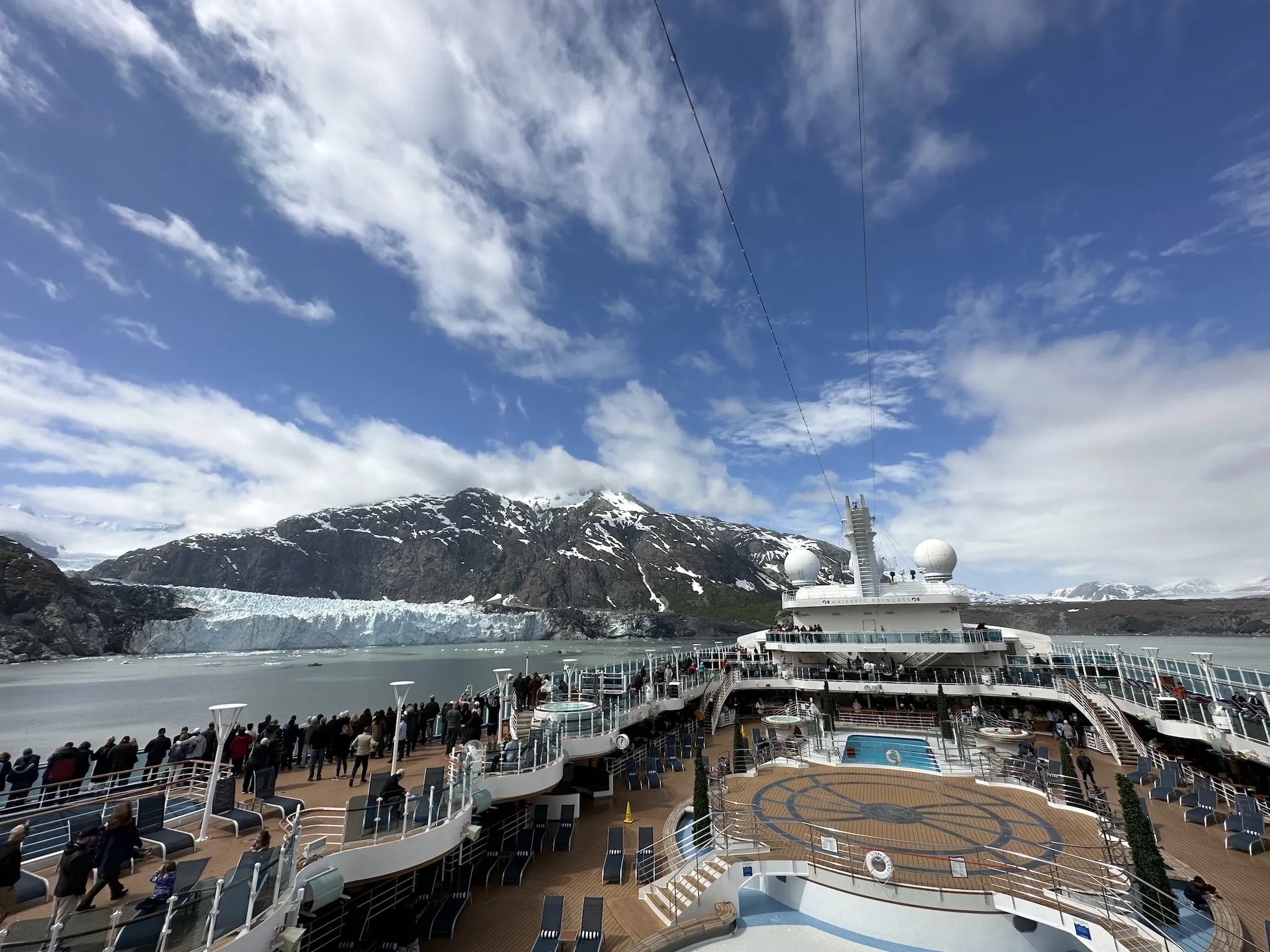
Late-season Alaska cruises trade peak daylight for added value. By late August, cruise traffic begins to thin, easing congestion in ports like Juneau, Skagway and Ketchikan. I personally cruised during this window and still saw frequent whale activity (particularly humpbacks feeding near the coast), as well as adorable otters and puffins. Best of all, cruise fares and excursion pricing often soften as demand eases, making this the most cost-effective window for scenery, wildlife and fewer crowds on board and in port.
Hawaii
When to go: April–early June
A popular family vacation destination, Hawaii’s shoulder seasons fall between school-driven travel peaks. Between April (except holidays like Easter and Passover) and early June, travelers can expect warm weather, calmer seas and improved resort availability once spring break crowds depart, creating ideal conditions for snorkeling off Maui and the Big Island, hiking Kauai’s Waimea Canyon and exploring Oʻahu beyond Waikīkī. Also, restaurants, beaches and tour companies remain fully operational across the islands, just without winter-level demand.
Savannah, Georgia
When to go: March–April, October
Like many Southern cities, Savannah is best experienced outside its most punishing (read: hottest) months. In March and April, azaleas bloom across Forsyth Park and the city’s leafy squares before humidity takes hold, making it an easy time to wander on foot—or enjoy an al fresco picnic—without retreating indoors. By October, Savannah is cooler and noticeably less crowded. Must-visit locales like River Street and Bonaventure Cemetery are much easier to navigate, while eclectic neighborhoods like the Starland Area lean more local than tourist-heavy, and the reduced hotel rates reflect this shift.
San Diego, California
When to go: April–May, September–October
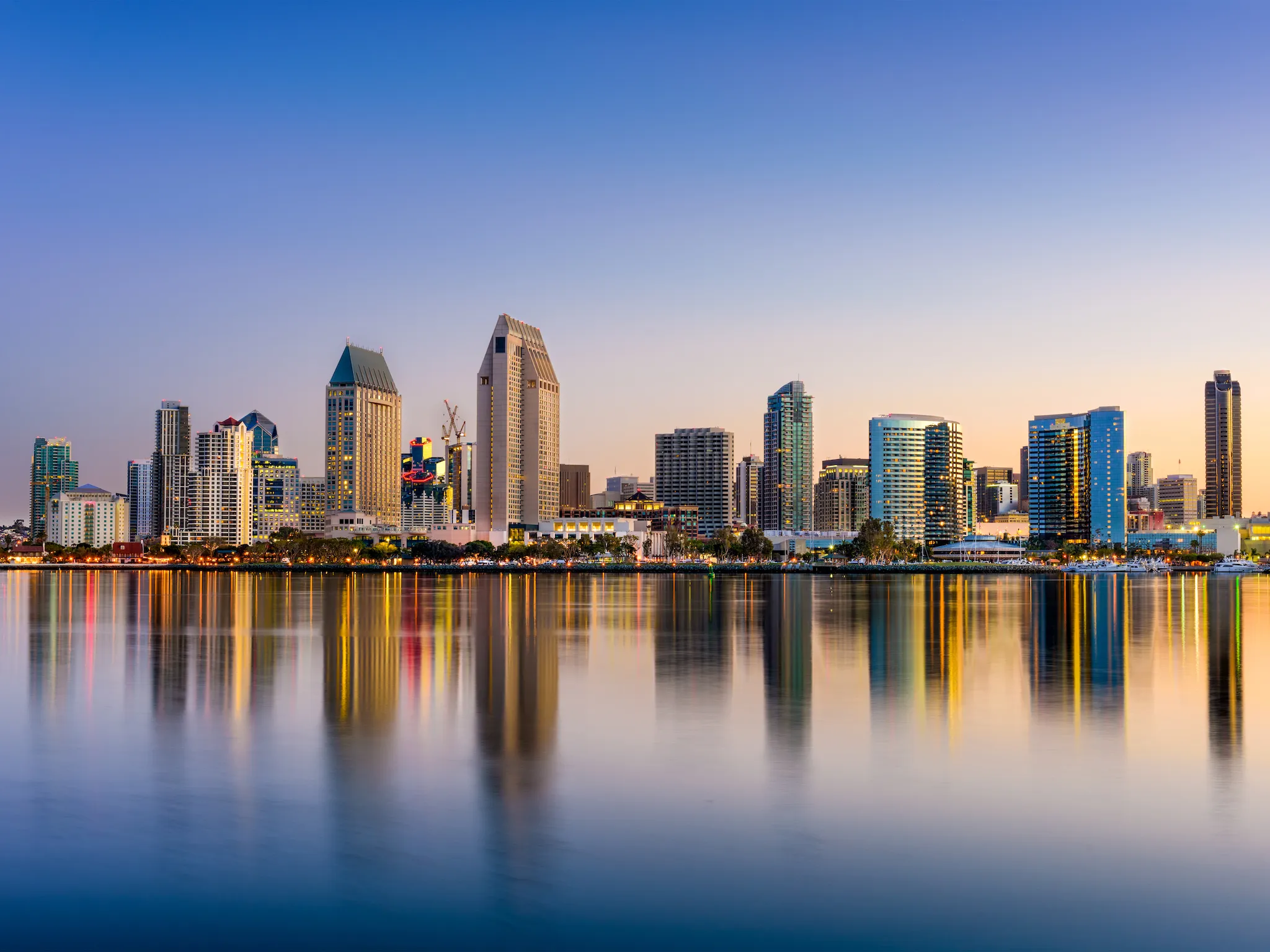
It’s no secret that San Diego is easiest to navigate outside the summer peak, but in April and May, in particular, lively stretches of sand like La Jolla Shores and Coronado offer more room to roam (or relax). Similarly, Balboa Park’s museums and gardens are far less packed, as is the Gaslamp Quarter. Temperatures in September and October stay reliably warm, but once school is back in session, the city noticeably thins out. As summer travel winds down, coastal neighborhoods like Encinitas and Del Mar quiet down, with fewer families on vacation and less weekend overflow.
Jackson Hole, Wyoming
When to go: September–early October
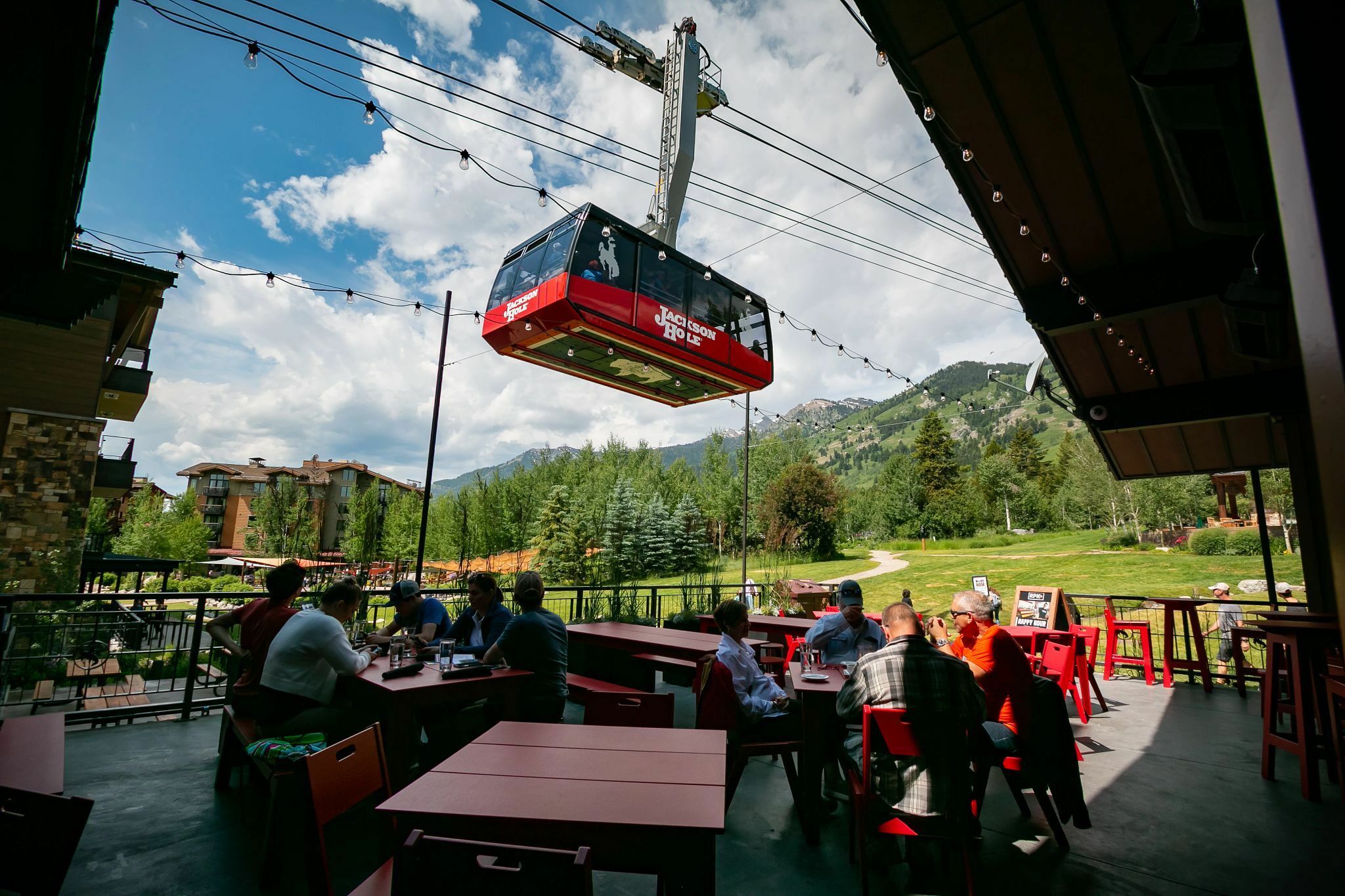
Jackson Hole’s shoulder season is short, sweet and (very) underrated, which is why it’s so essential to time your visit right. Right after Labor Day, the summer crowds clear out and the lodging rates drop, but the stunning landscapes and scenic drives around Grand Teton National Park remain wide open. Late September often means early fall color along the Teton Pass and the Gros Ventre Range; around the same time, elk begin moving through the National Elk Refuge—a true bucket-list experience for animal lovers.
Charleston, South Carolina
When to go: September–November
After a crowded summer, Charleston settles back into itself. By late September, visitor numbers drop, humidity eases and walking the peninsula becomes manageable again. October and November are especially comfortable for spending time along the Battery, exploring the Historic District and getting out on the harbor. Hotel availability improves compared with spring, and dining reservations are far easier to secure at many of the city’s most in-demand restaurants, including Husk, Sorelle, 167 Raw Oyster Bar and Chubby Fish.