Costa Rica has earned a spot on the BBC’s list of the 20 best places to travel in 2026. The recognition comes as the country pushes forward with conservation projects and opens up remote areas to visitors who value nature and sustainability.
The BBC’s selection focuses on destinations that balance tourism with environmental protection and community support. For Costa Rica, this means showcasing its mix of beaches, volcanic landscapes, rainforests, and historical sites. Travelers can expect experiences that connect them directly with the land, from spotting wildlife in protected parks to joining local initiatives that preserve habitats.
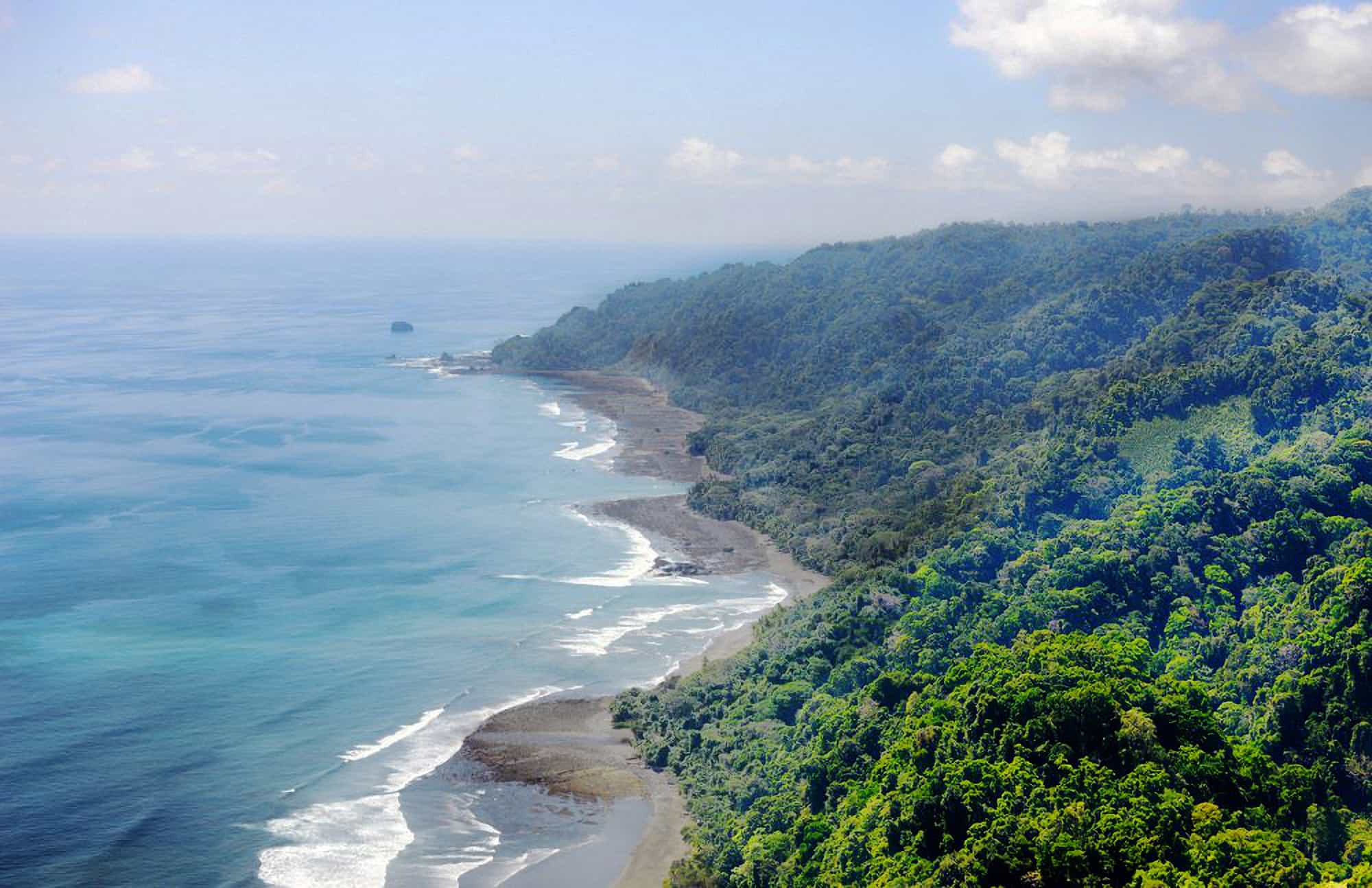
One key area the BBC highlights is the Osa Peninsula, where rainforests meet the sea. This region alone holds 2.5% of the world’s known land species. Visitors wake to the calls of howler monkeys, paddle through mangrove channels lit by bioluminescence at night, and surf strong waves along the coast. The peninsula also serves as a base for activities like guided hikes into Corcovado National Park, where people practice breath work, meditation, or yoga before setting out.
Access to these spots improves in 2026 with new direct flights from San José to Puerto Jiménez. This change cuts travel time and lets more people reach the southern Pacific coast without long drives or boat rides. It aligns with broader efforts to expand protected zones on land and in the ocean. Local groups and national partners work to strengthen corridors for jaguars in the forests and safeguard migratory sharks in offshore waters.
Community-led projects play a central role in this push. Surf schools run by residents teach skills while promoting ocean health. Eco-lodges and retreats adopt practices like solar power and wastewater recycling. One example involves a program that partners with conservation organizations to protect sea turtles, allowing guests to participate in nesting patrols and releases. These steps show how tourism can fund protection rather than harm it.
Costa Rica’s history of environmental leadership supports this appeal. The country reversed deforestation decades ago, now covering nearly 60% of its land in forests. A quarter of the territory falls under legal protection. The national plan targets carbon neutrality by 2050, guiding decisions from energy use to land management.
Beyond the Osa Peninsula, other regions offer similar draws. Misty peaks around volcanoes provide trails for hikers, while colonial towns reveal pre-Columbian roots through artifacts and stories. Beaches on both coasts attract surfers and those seeking quiet escapes. The BBC notes that Costa Rica combines wilderness with wellness, where a day might include spotting macaws over coves or relaxing in thermal springs.
This listing arrives at a time when global travel shifts toward responsible choices. People seek places where their visits contribute to positive outcomes, like funding ranger patrols or supporting artisan crafts. In Costa Rica, that means tourism dollars flow to communities that steward the land.
For us here in Costa Rica, the BBC’s nod reinforces pride in our nation’s model. It also signals potential growth in visitor numbers, prompting calls to maintain balance. Officials emphasize that sustainable practices must guide any expansion, ensuring that natural sites remain intact for future generations.
As 2026 is about to start, Costa Rica prepares to welcome those drawn by the BBC’s article.