
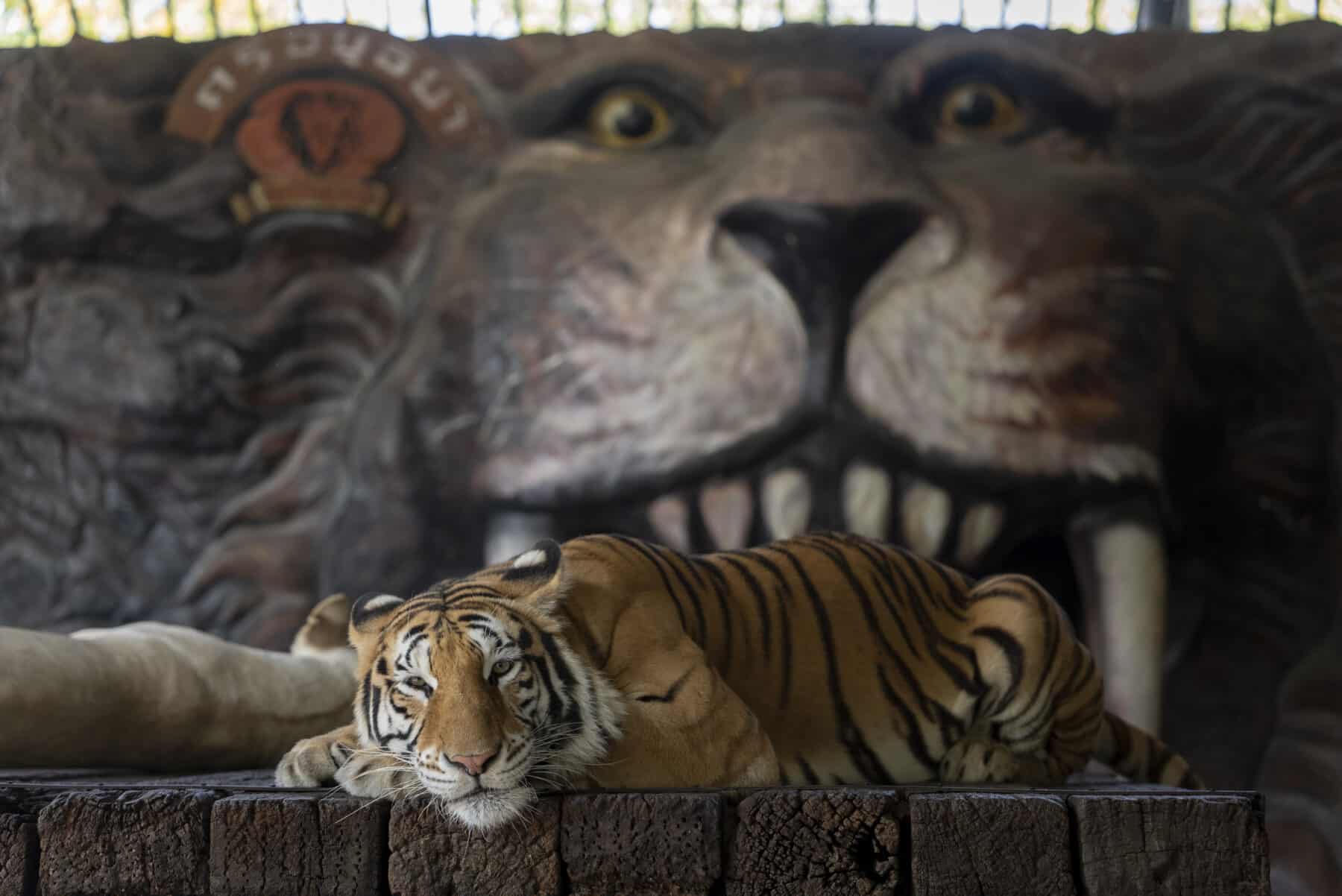
The travel industry is being encouraged to create a wildlife-friendly future for travel with the help of a downloadable communications guide from World Animal Protection.
As more travellers becoming attuned to the ethical concerns surrounding wildlife tourism – from elephant rides to koala “cuddles” and dolphin shows – there’s a growing rejection of wildlife entertainment and close encounters, in favour of more compassionate ways to observe animals while on holiday.
Data commissioned by World Animal Protection found that 65 per cent of Australians would not travel with a tour operator if they promoted wild animals in entertainment, and this is increasing year-on-year.
While communication plays a key role in equipping travellers to make responsible choices, as many people who engage in these activities are unaware of the harm they cause to animals, the World Animal Protection guide will help those who wish to make an impact on wildlife-friendly travel.

“We’re urging the travel industry to work with us toward a future where tourism does not contribute to wildlife cruelty,” said World Animal Protection Australia, Head of Campaigns, Suzanne Milthorpe. “If you can ride, hug or take a selfie with a wild animal, then you can be sure cruelty is involved.”
Designed as a guide for travel agents and travel companies, the guide will assist advisors in crafting informed wildlife content and therefore help travellers make animal-friendly recommendations. The guide also helps the travel industry to speak out against some of the most common cruel experiences, including elephant bathing, dolphin shows, koala cuddles and more.
“A good wildlife experience has the animals’ best interests at the heart of everything it does,” Milthorpe said. “Travel companies have a powerful influence over what tourists see as acceptable. By changing how we promote wildlife tourism, we can embrace ethical alternatives that are in wild animals’ best interests.”
Download the wildlife comms guide HERE.
Biggest travel company mistakes
- Using imagery that promotes direct wildlife contact
- Using misleading/greenwashing language like ‘ethical, sanctuary or conservation’
- Focusing on entertainment instead of natural behaviours
- Failing to offer wildlife friendly alternatives
- Ignoring human safety and health risks

A recent report from World Animal Protection, “Still Too Close for Comfort”, revealed this week that four major venues have now ditched “koala cuddles” which it says marks a turning point in Queensland’s wildlife tourism industry.
Since World Animal Protection released its original report, “Too Close for Comfort” in 2022, four Queensland venues – Lone Pine Koala Sanctuary, Hartley’s Crocodile Adventures, Kuranda Koala Gardens and Wildlife HQ, have now ended koala cuddle experiences.