
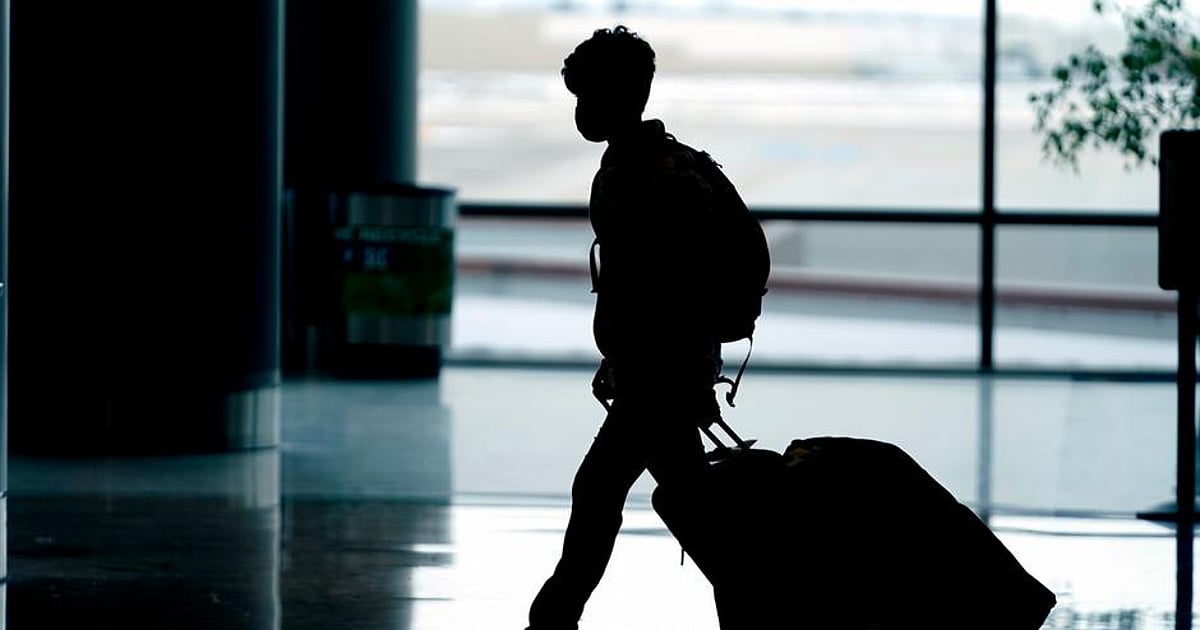
Soon after the travel ban took effect, the Trump administration issued an ultimatum to 36 nations: tighten security and adopt new vetting measures within 60 days — or face a potential US entry ban by mid-August, according to reports. The list spanned continents, stretching from Angola and Benin in Africa to Cambodia and Bhutan in Asia, and even to the tiny island states of Tuvalu and St. Kitts and Nevis. Countries as varied as Nigeria, Egypt, Ethiopia, Kyrgyzstan, Tanzania and Syria find themselves under pressure, along with others across the Caribbean, Pacific and sub-Saharan Africa — all warned that non-compliance could shut their citizens out of America’s borders.
However, “we’ve received no updates so far regarding the fate of these additional 36 countries,” said Zuzana Cepla Wootson, deputy director of federal policy at the Presidents’ Alliance on Higher Education and Immigration, a coalition of college leaders working to deepen public understanding of immigration policy.
For now, Iran is the most affected, with 12,430 students, followed by Myanmar (3,222), Haiti (883), and Afghanistan (702), according to Open Doors 2024. African students from Sudan, Libya, Equatorial Guinea, Congo, Somalia, Eritrea and Chad — totalling 1,433 — are also impacted, along with 256 students from Yemen, per the University World News reported.
Partial restrictions affect approximately 5,000 students, including 3,904 from Venezuela and others from Sierra Leone, Togo, Burundi, Turkmenistan, Cuba and Laos. The ban completely blocks entry from 12 countries and imposes partial restrictions on 7 more.
For 21-year-old Bahara Saghari from Afghanistan, the barriers have been deeply personal. With the Taliban blocking women from higher education in her homeland, Saghari had spent years honing her English — up to 8 hours a day — dreaming of studying business at a private liberal arts college in Illinois. But her plans were upended by the US travel ban, which bars most citizens from 19 countries from obtaining new visas.
“You think you’re finally going to your dream, and then something comes up and everything’s gone,” Saghari said.
Thousands of students worldwide face similar disruptions. Seventeen-year-old Pouya Karami from Iran, accepted to study polymer chemistry at Pittsburg State University, had to defer his admission while navigating visa hurdles and lobbying US lawmakers to reconsider the ban. Meanwhile, 18-year-old Gu Gu from Myanmar saw his plans to attend the University of South Florida collapse overnight.