
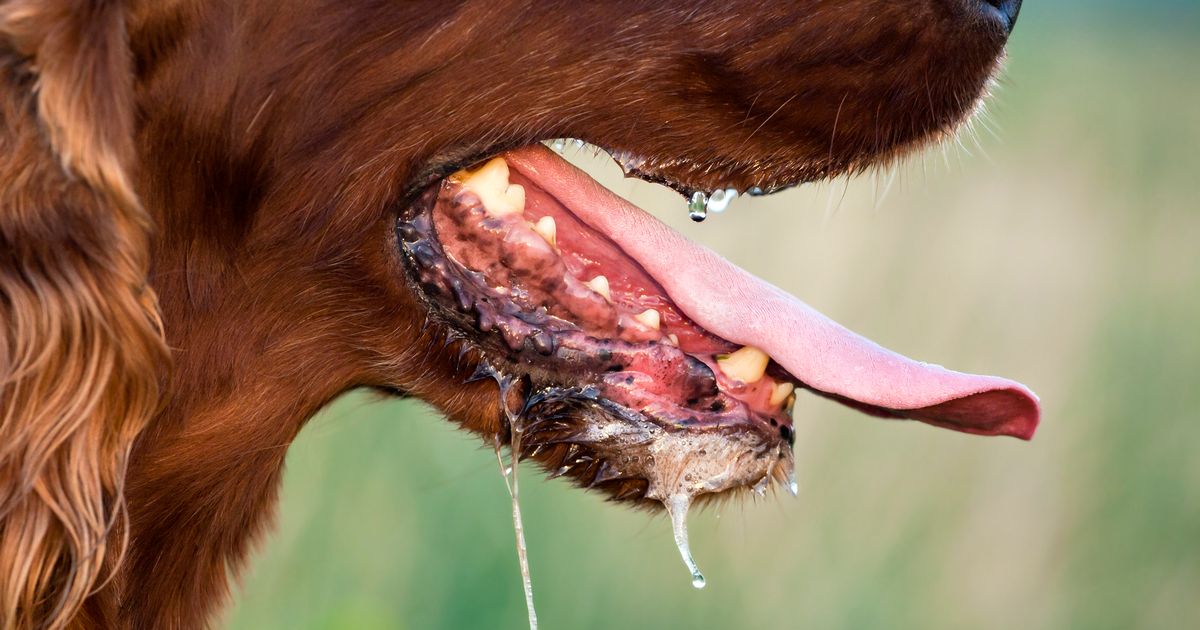
A British holidaymaker died after being infected with the fatal disease in Europe.
A warning has been issued to holidaymakers after a British woman died after contracting rabies following contact with a stray dog whilst abroad. The female was holidaying in Morocco when they became infected after being bitten or scratched. The Yorkshire woman was later diagnosed with the fatal disease.
The UK Health Security Agency (UKHSA) are now warning tourists to be cautious when around stray animals in countries where rabies is present, particularly in parts of Asia and Africa. This includes avoiding contact with animals such as dogs and cats, and seeking advice on whether vaccination is needed before travel.
Dr Katherine Russell, Head of Emerging Infections and Zoonoses at UKHSA, said: “If you are bitten, scratched or licked by an animal in a country where rabies is found, then you should wash the wound or site of exposure with plenty of soap and water and seek medical advice without delay in order to get post-exposure treatment to prevent rabies.”
Dr Russell stressed there was no risk to the wider public as Rabies cannot be transmitted between humans. As a precaution close contacts and healthcare workers involved in this case are being offered vaccination as a precaution.
Dr Russell added: “I would like to extend my condolences to this individual’s family at this time.

Rabies is a virus transmitted through the saliva of animals, commonly spreading to humans via bites, scratches, or licks on open wounds from infected animals, primarily dogs.
According to Travel Health Pro: “It can also be a risk if an animal spits and saliva gets into the eyes, mouth or nose. The virus attacks the central nervous system, causing progressive damage to the brain and spinal cord. Once symptoms are present, rabies is almost always fatal.”
It does not circulate in domestic or wild animals in the UK, although some species of bats can carry a rabies-like virus.
The last recorded case of someone acquiring rabies from an animal other than a bat within the UK was in 1902.
There have been six reported cases of human rabies associated with animal exposure abroad in the UK between 2000 and 2024.
Anyone who is bitten, scratched, or exposed to an animal’s saliva in a rabies-affected country should immediately wash the area with soap and water and seek medical help—regardless of whether they have been vaccinated. Post-exposure treatment, when given quickly, is highly effective at preventing the disease.
A recent update on the Foreign Office-funded Travel Health Pro website read: “In early June 2025, the Valencian Health Department reported a fatal case of rabies in a Spanish resident bitten by a dog during a trip to Ethiopia in July 2024.”